
Kibera, Nairobi · since 2008
A school, a kitchen and a safe home for the children of Kibera.
Future Stars Development Centre teaches children from pre-primary to Grade 6, cooks for them every school day, and gives a home to those who have nowhere safe to go.
2008
opened
PP1–Grade 6
taught on site
14
staff & board
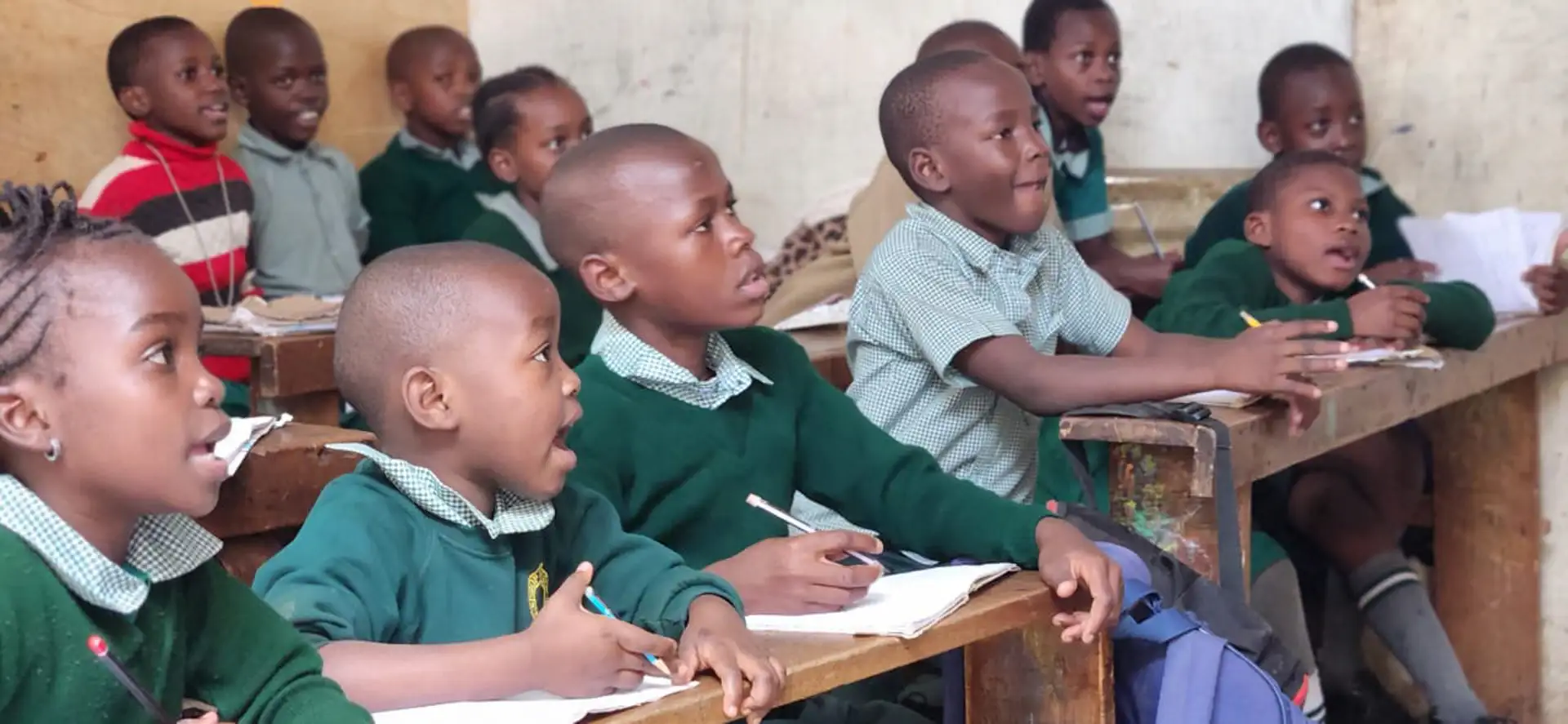
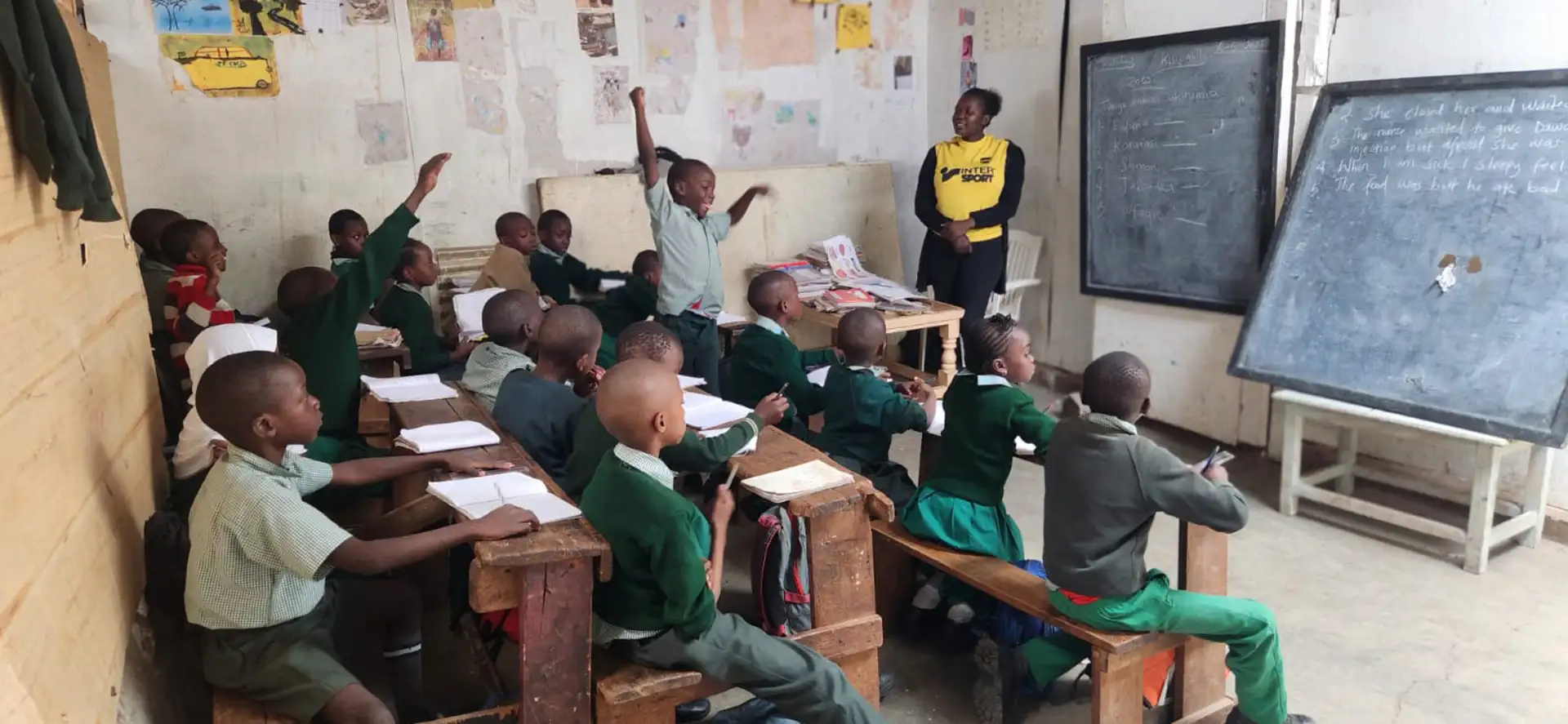
heads down in class
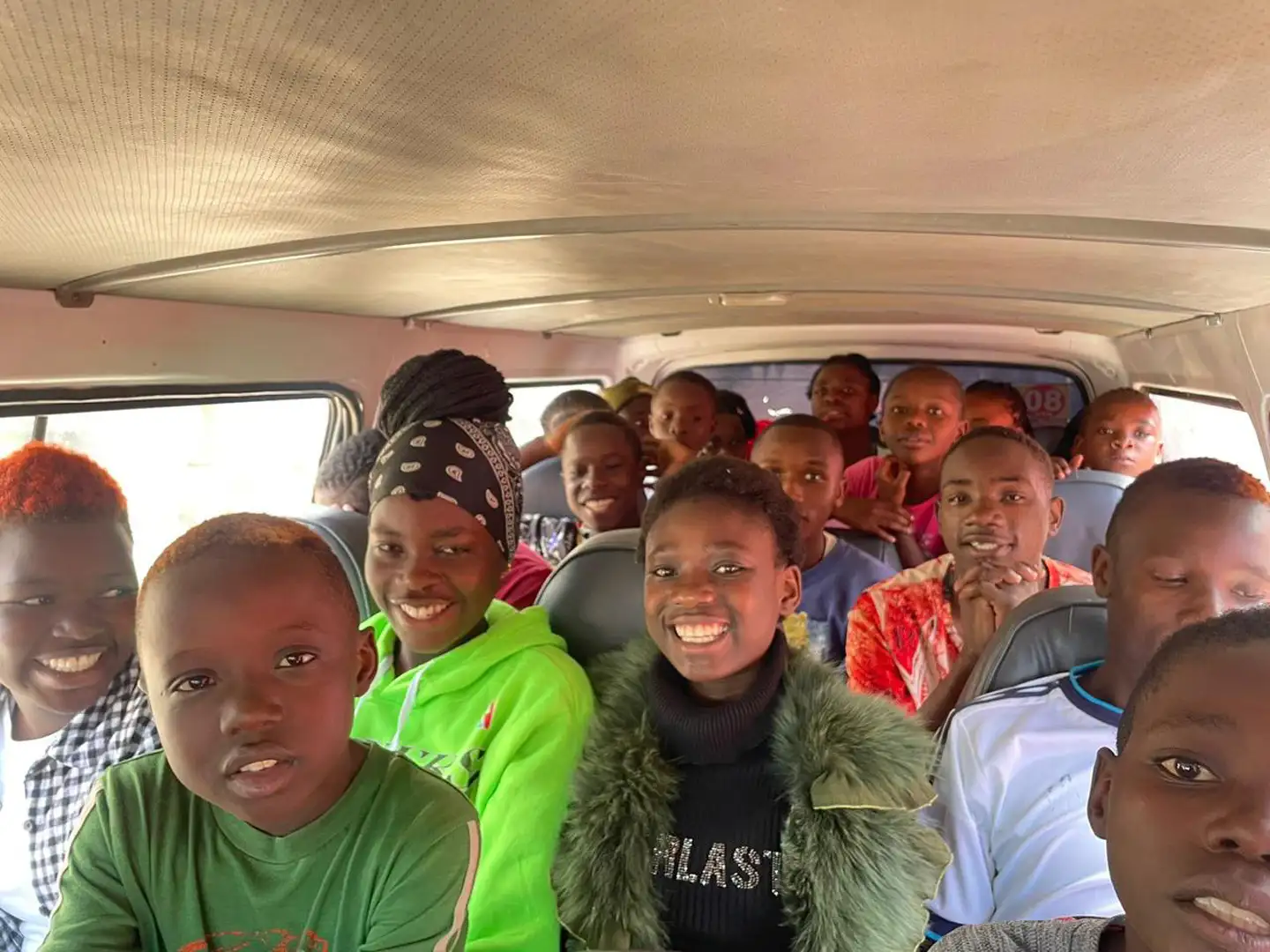
holiday trip, on the bus
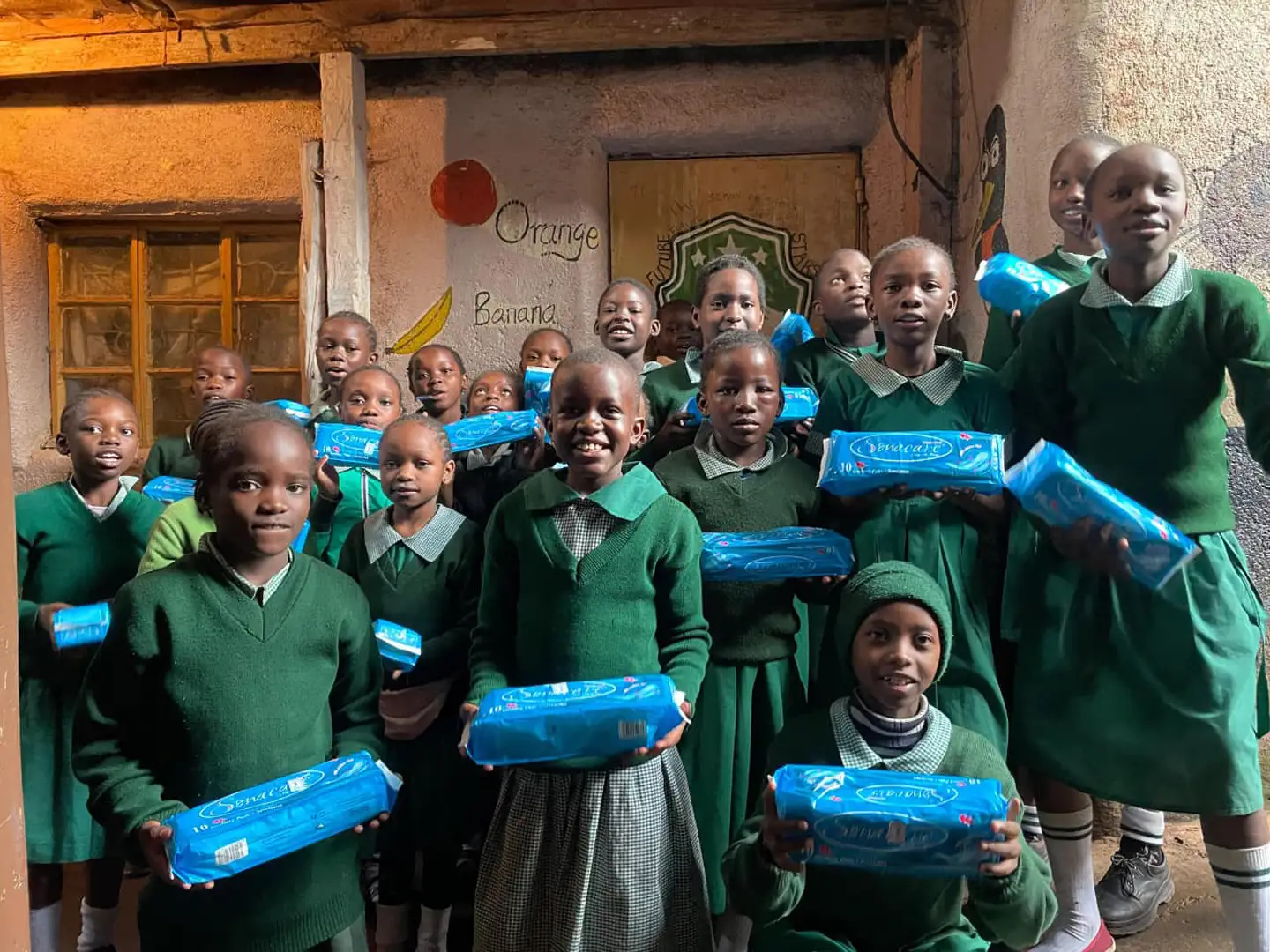
girls' health day
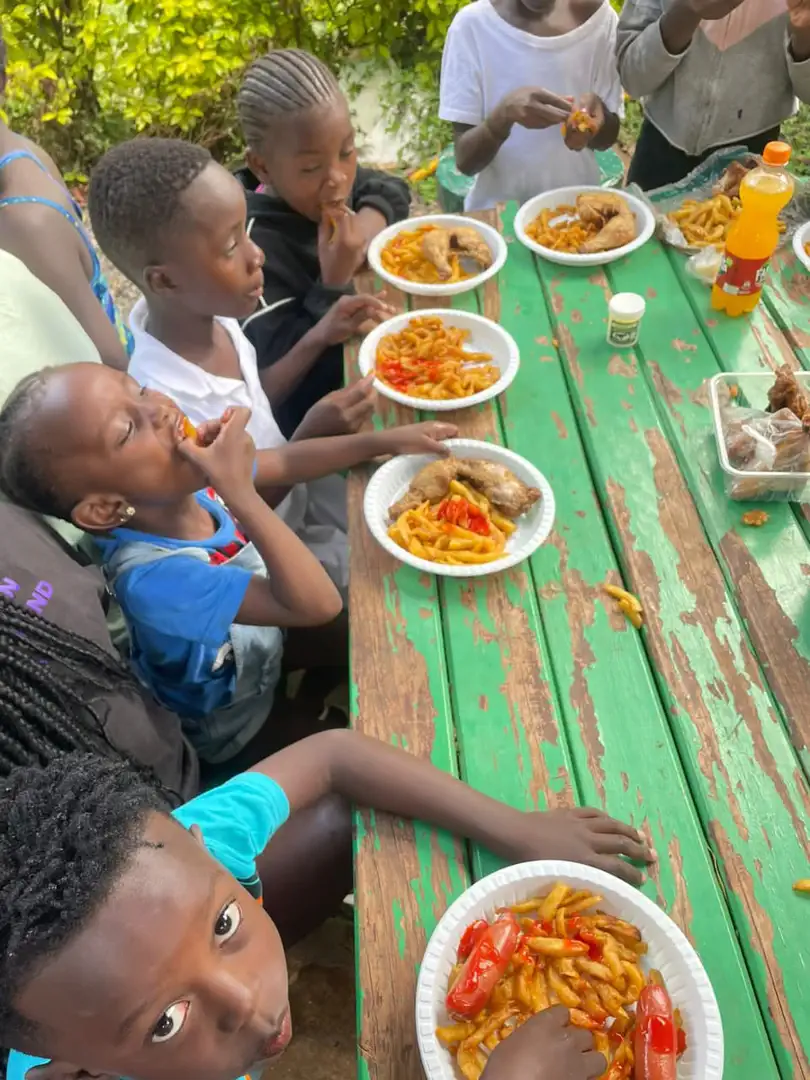
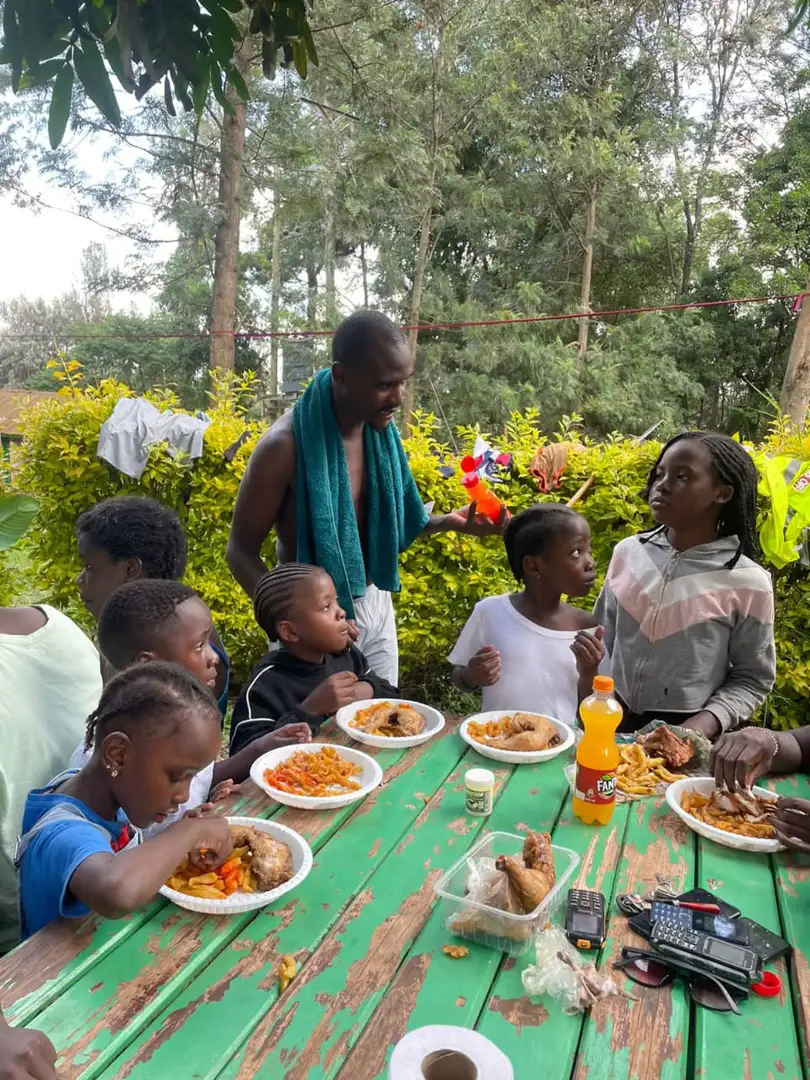
lunch together
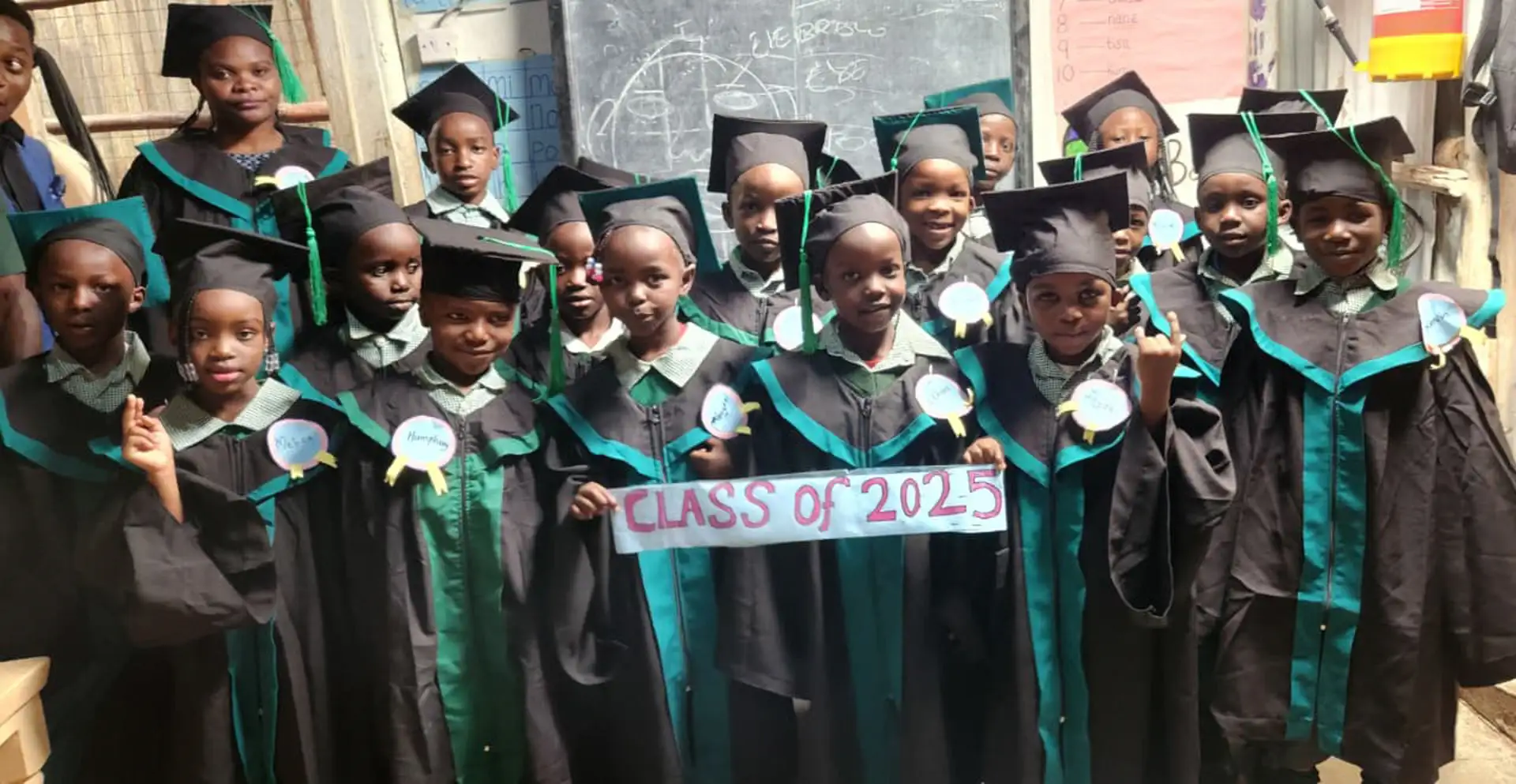
Class of 2025, graduation day
hover or tap a photo to bring it forward
“
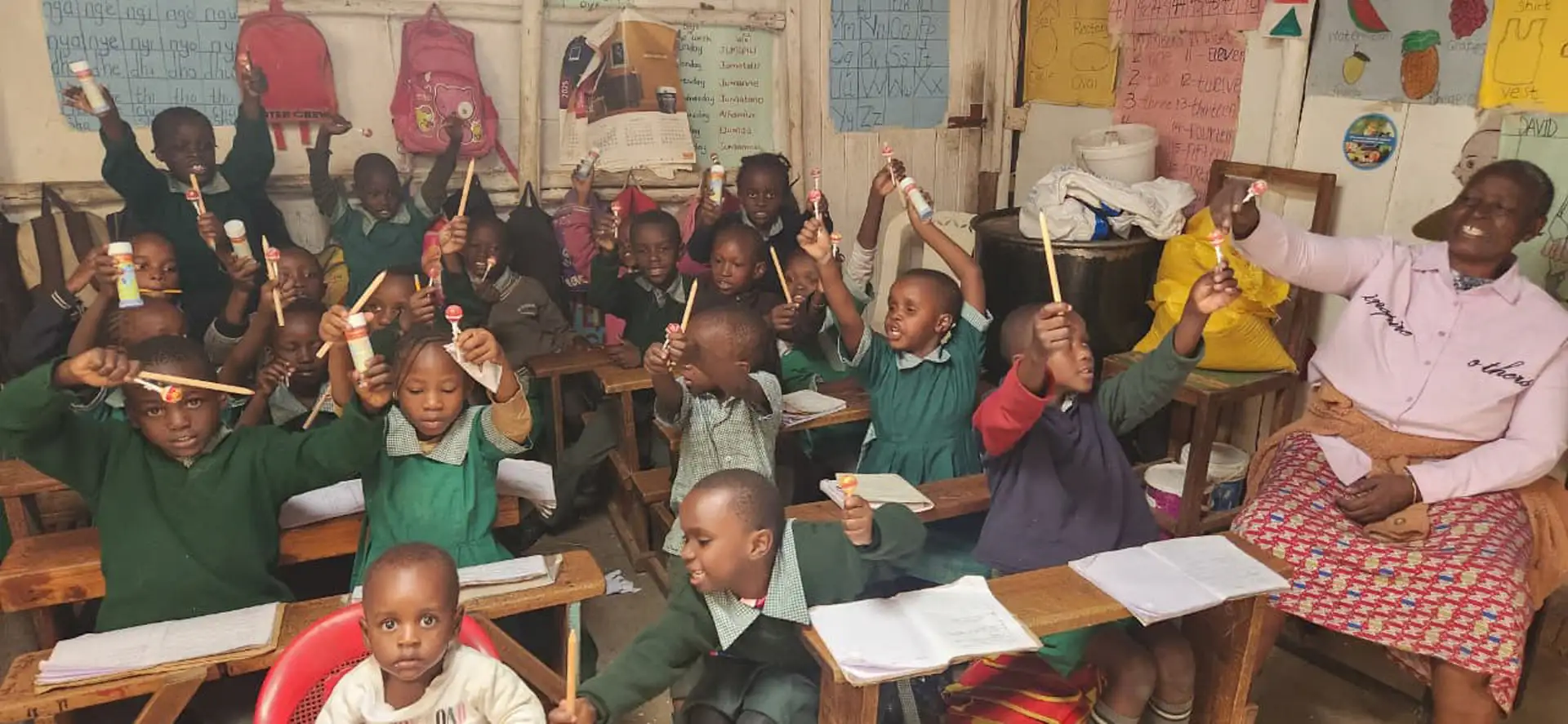
When I joined, enrolment was low and absenteeism common. Today our classrooms are full of eager learners.
Lilian Ogola
Head Teacher and Grade 1 teacher.
At Future Stars for nearly 13 years.
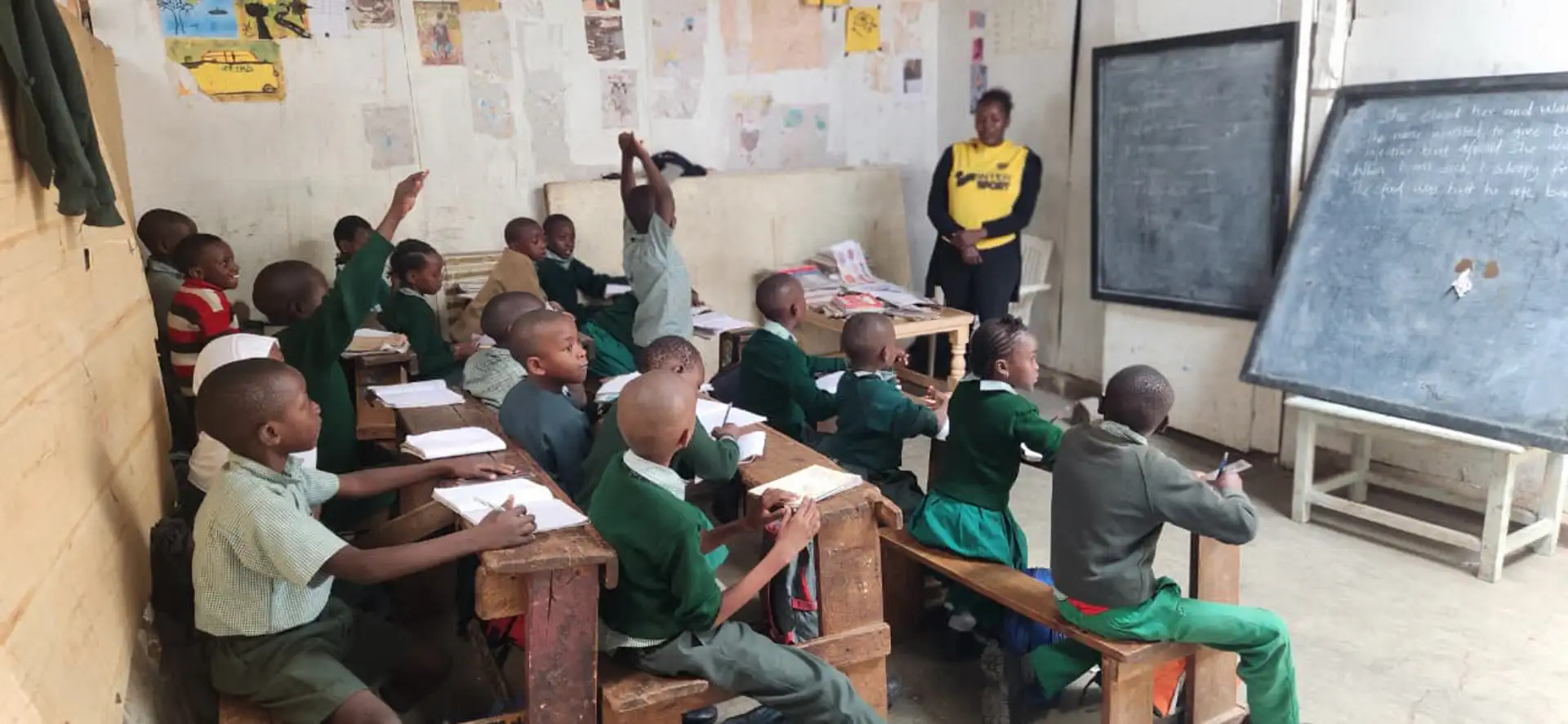
class in full swing
where we are
Find Kibera on the map.
Start with Africa, then press Zoom in to travel to Kenya, then Nairobi, and finally Kibera's own streets, where you can drag the map around.
Field notes on Kibera
~2.5 km²
About 350 football pitches of homes, shops, churches, mosques and schools.[4]
185,777
People counted in Kibra sub-county in the 2019 census.[1] Other estimates run much higher.
1900s
First settled by Nubian soldiers. “Kibra” means forest.[4]
Few
Government school places. Most children learn in community schools.[2]
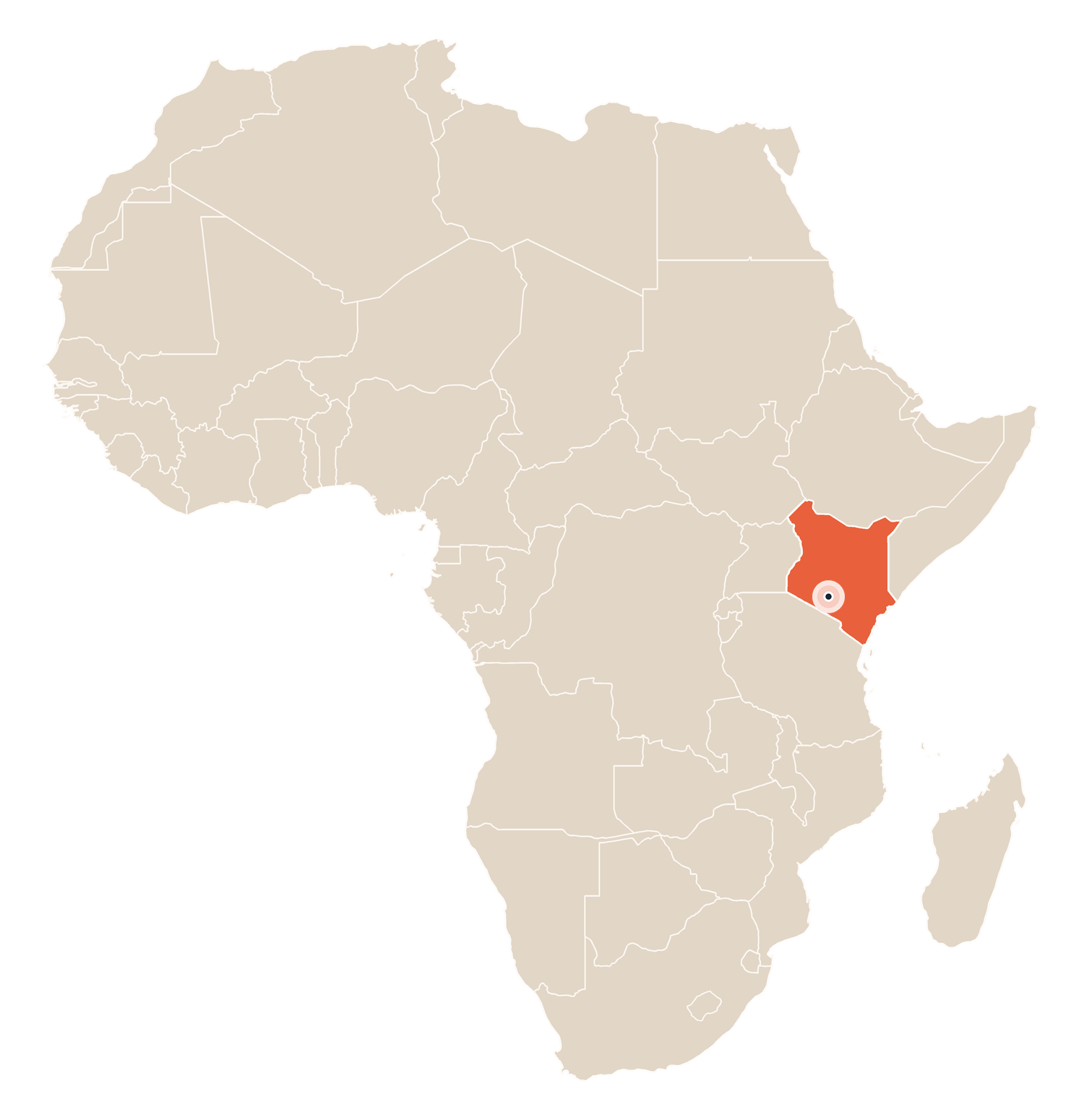
Kenya
Step 1 of 4 · Africa
Kenya sits on Africa's east coast. Nairobi, the capital, is in the south of the country.
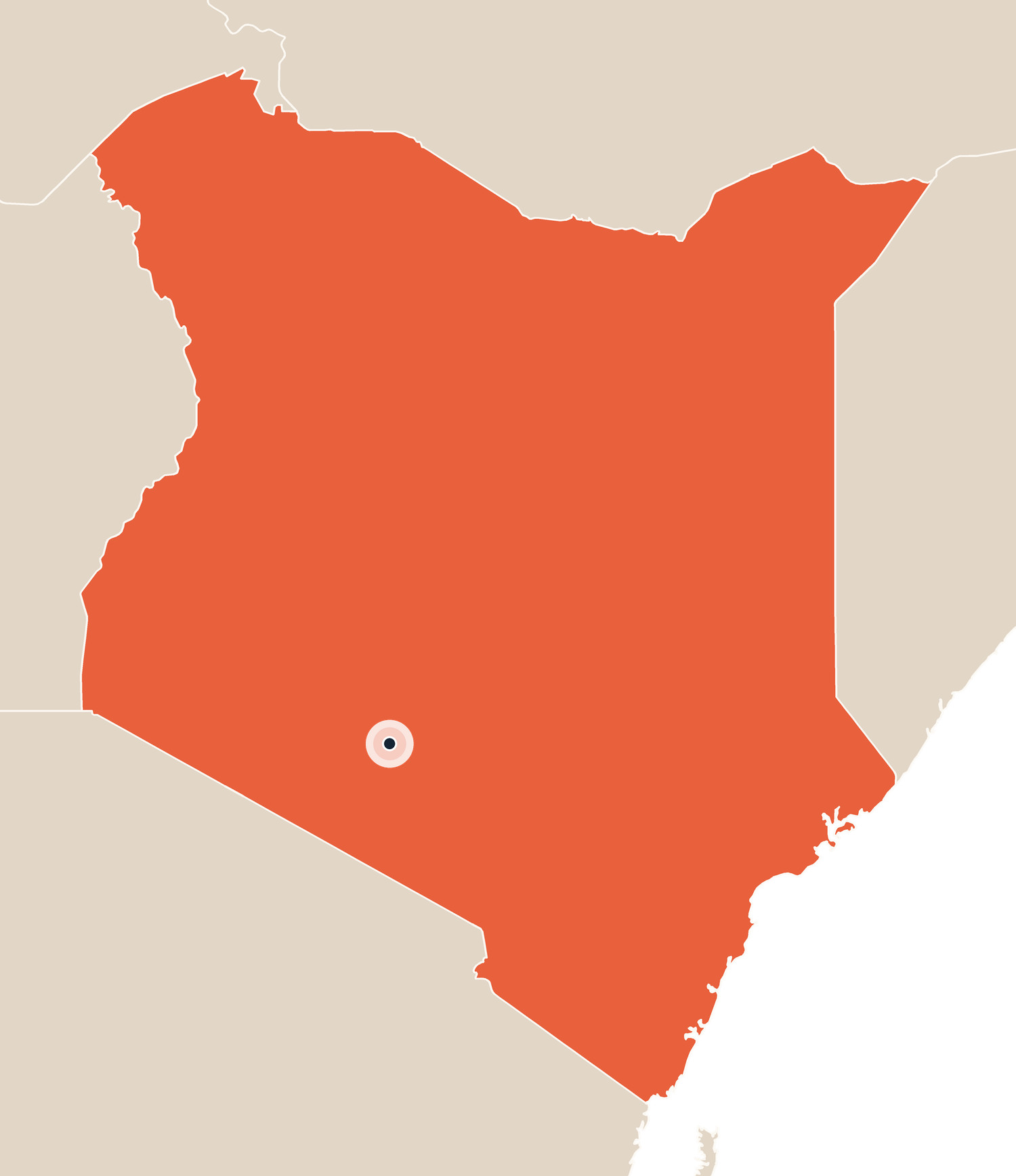
Nairobi · Kibera
Step 2 of 4 · Kenya
Nairobi is a city of more than four million people.[1] Kibera is in its south-west.
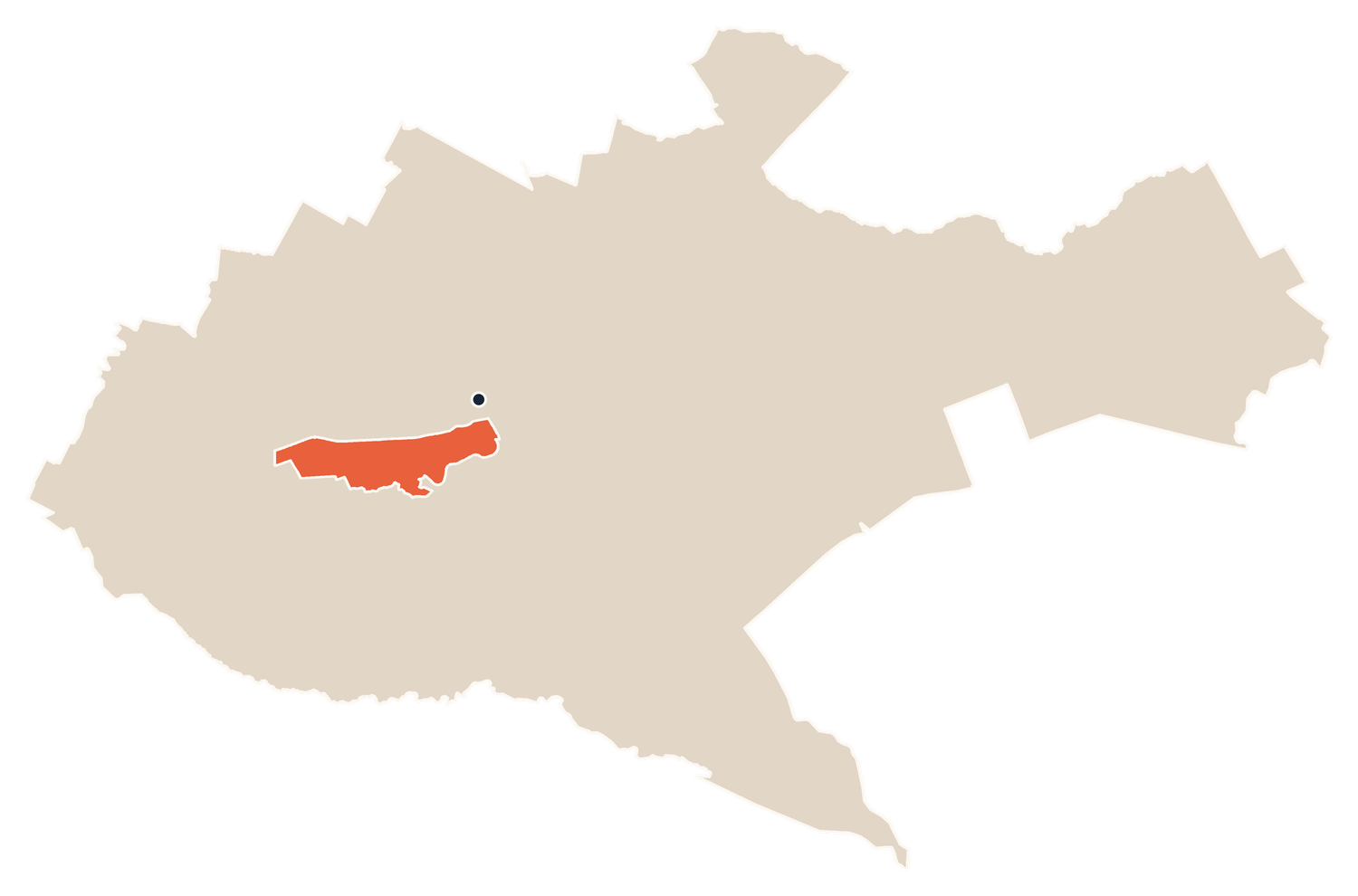
Kibera
city centre
Step 3 of 4 · Nairobi
Kibra sub-county, home to Kibera, in coral. The dot is the city centre, a short drive away.[5]
life in kibera
What daily life is like, without the drama.
Most of what you'll read about Kibera is written in extremes. Day to day, people go to work, run small shops, raise kids, play football and look out for their neighbours. What's missing is public provision: water, sanitation and school places are scarce,[2][3] so families pay for basics. Tap a question.
Is it really the biggest slum in Africa?
“One million people” gets quoted a lot. It was never verified. The 2019 census counted 185,777 people in Kibra sub-county;[1] some researchers think the true figure is higher. We'd rather give you the honest range.
Why not just go to a government school?
There are very few places. Map Kibera found two government schools for more than 50,000 children,[2] so most kids attend community schools like ours, which run on what families and supporters can give.
What actually keeps a child out of class?
Usually something practical: an empty stomach, fees, a missing uniform, no sanitary pads, or a home that isn't safe. That's why we cook, run food drives and girls' health sessions, and keep a children's home.
What about water and sanitation?
A 2021 Harvard-led study found 77.4% of people in Kibera have limited access to water, sanitation and hygiene facilities.[3]
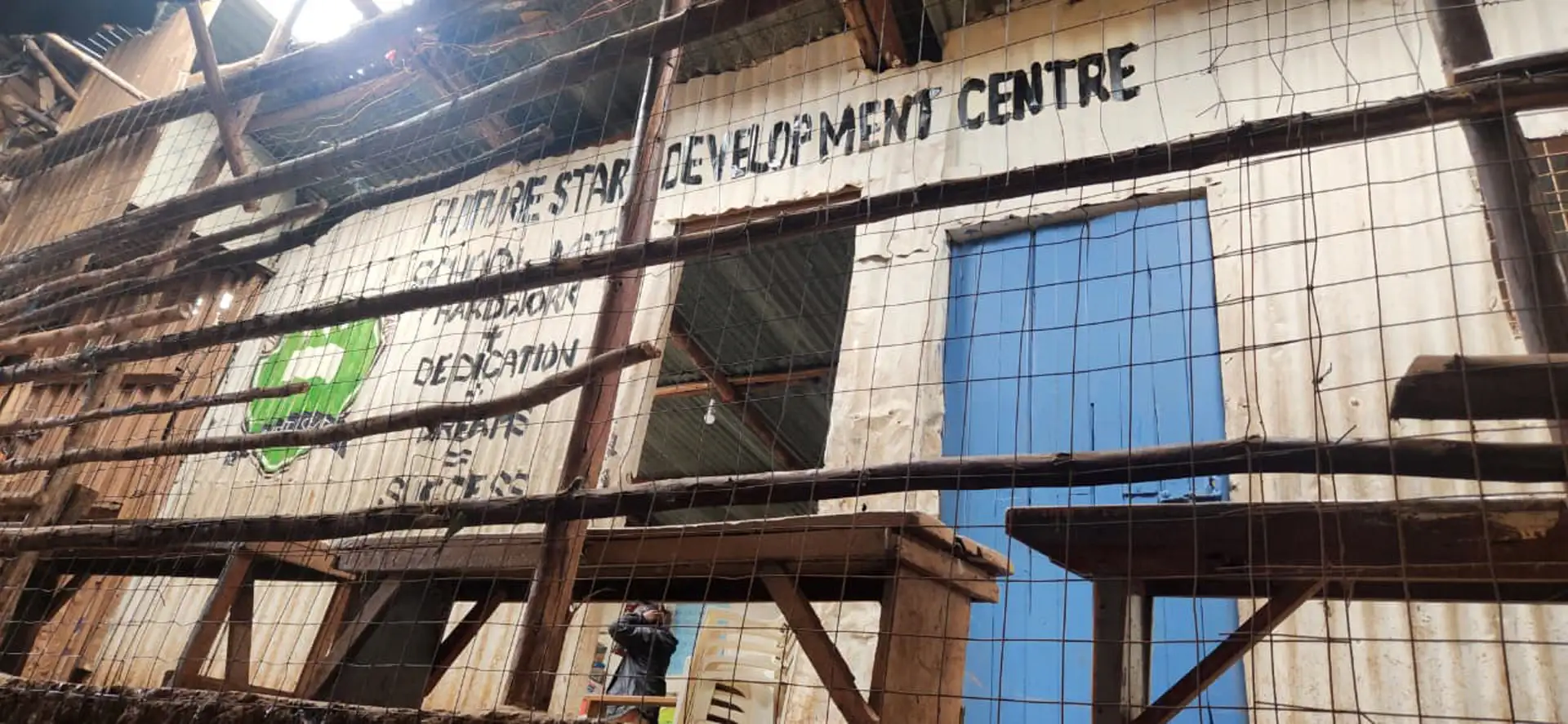
our school, Kibera
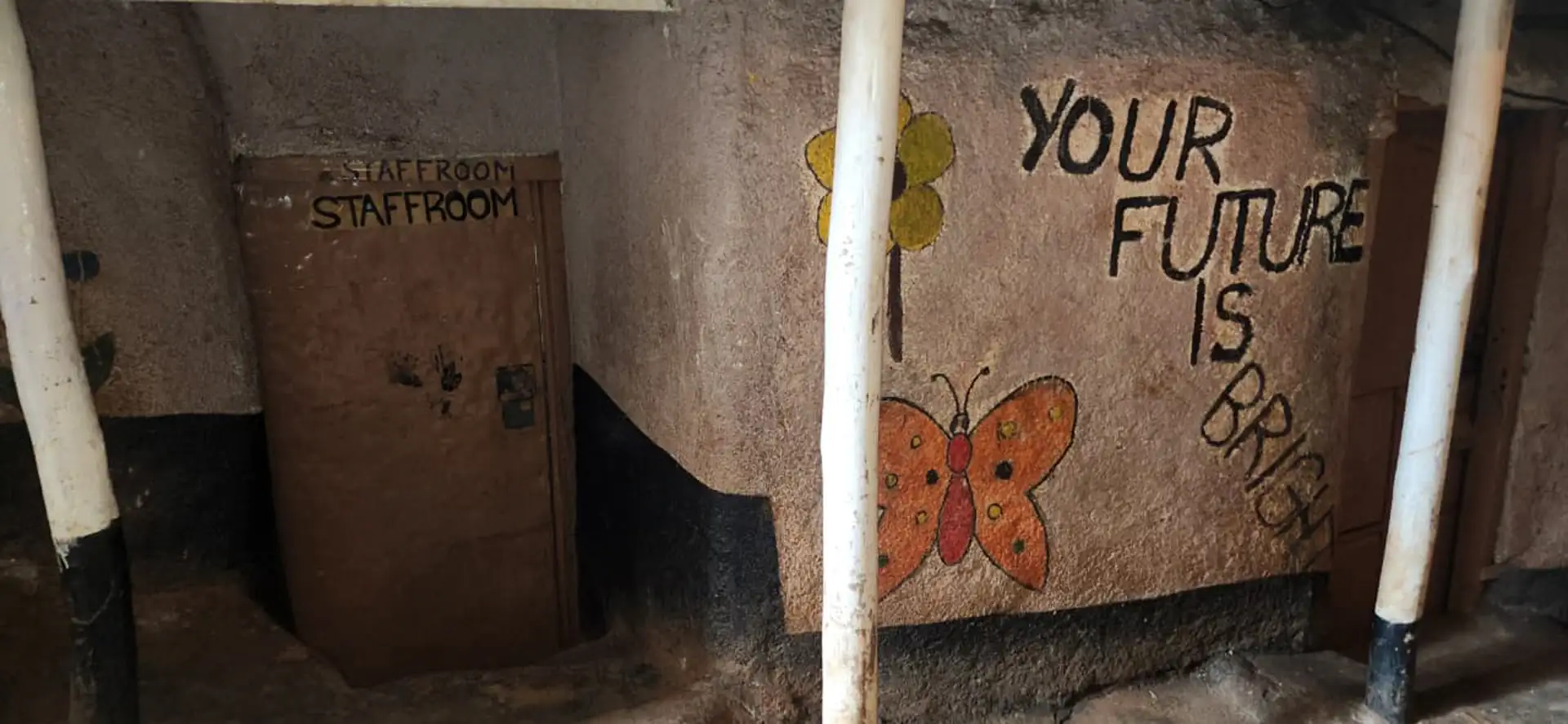
“your future is bright”
our story, hour by hour
From the first bell to lights out.
We started in 2008 with a handful of volunteers. This is what a day looks like now.
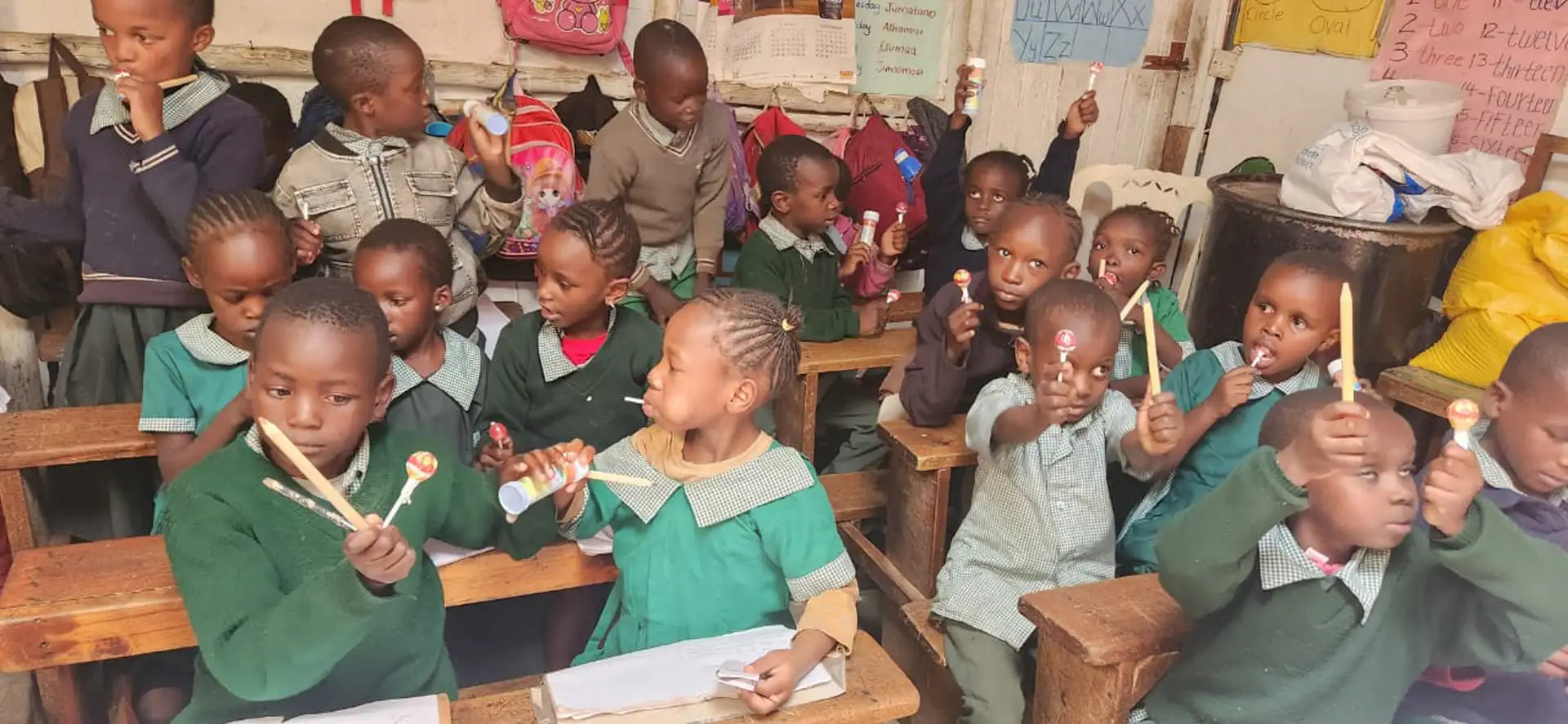
Class begins
Pre-primary with Jenifer, Grade 1 with Lilian. Classrooms are full now, which wasn't always the case.
“What I love most is the supportive environment our school provides for both teachers and students.”
— Jenifer Mourine, Pre-primary
outside the classroom
Four things we do because school alone isn't enough.
hover or tap a card →
01
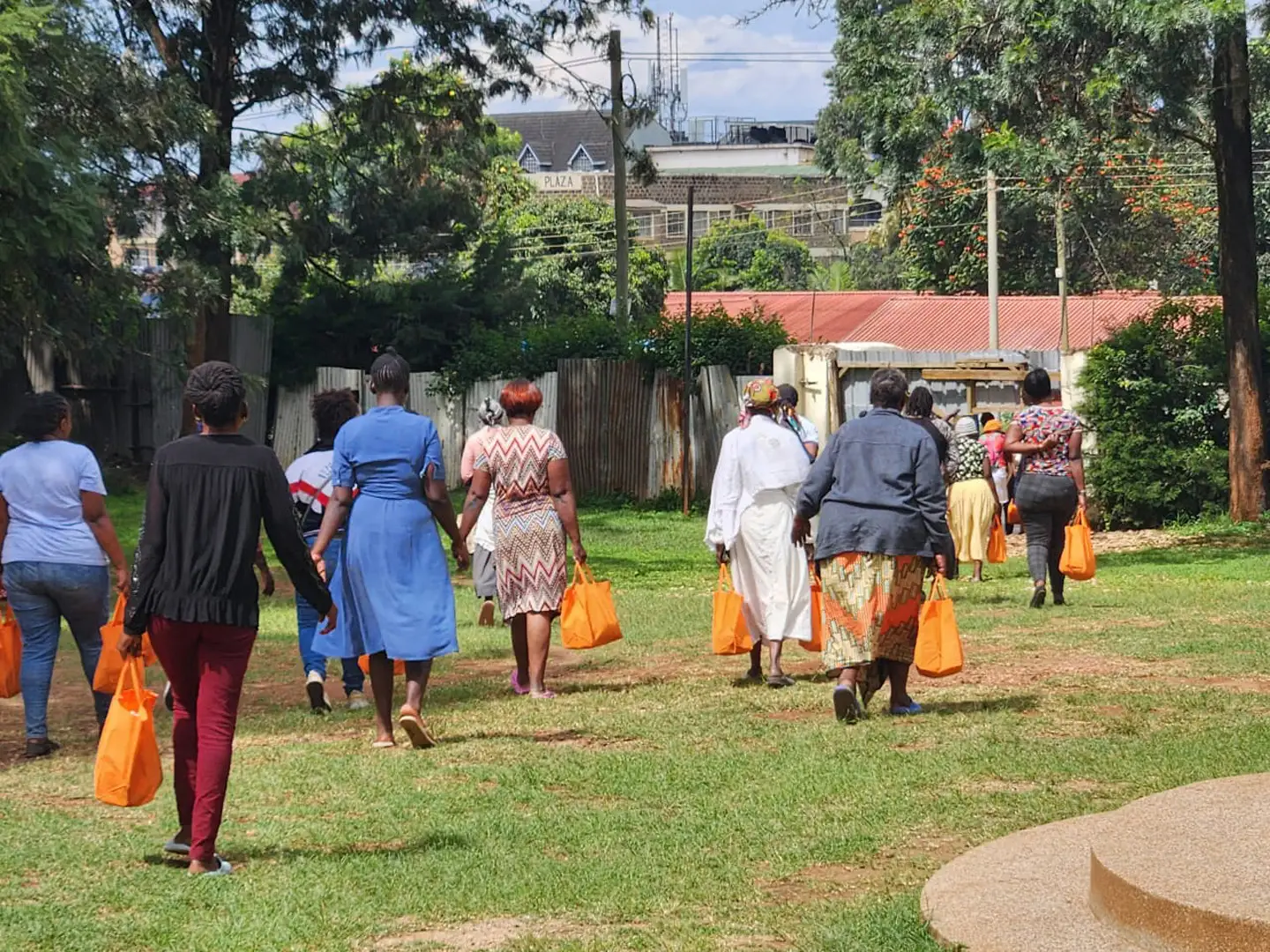
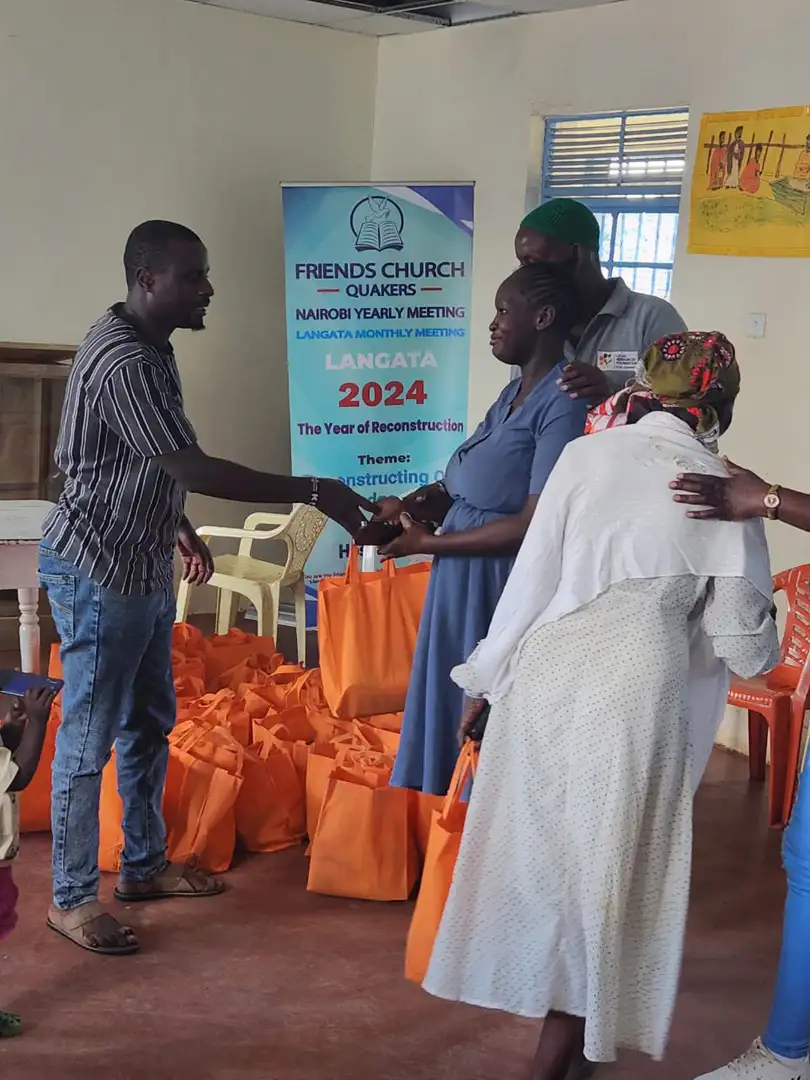
Food drives
01
Food drives
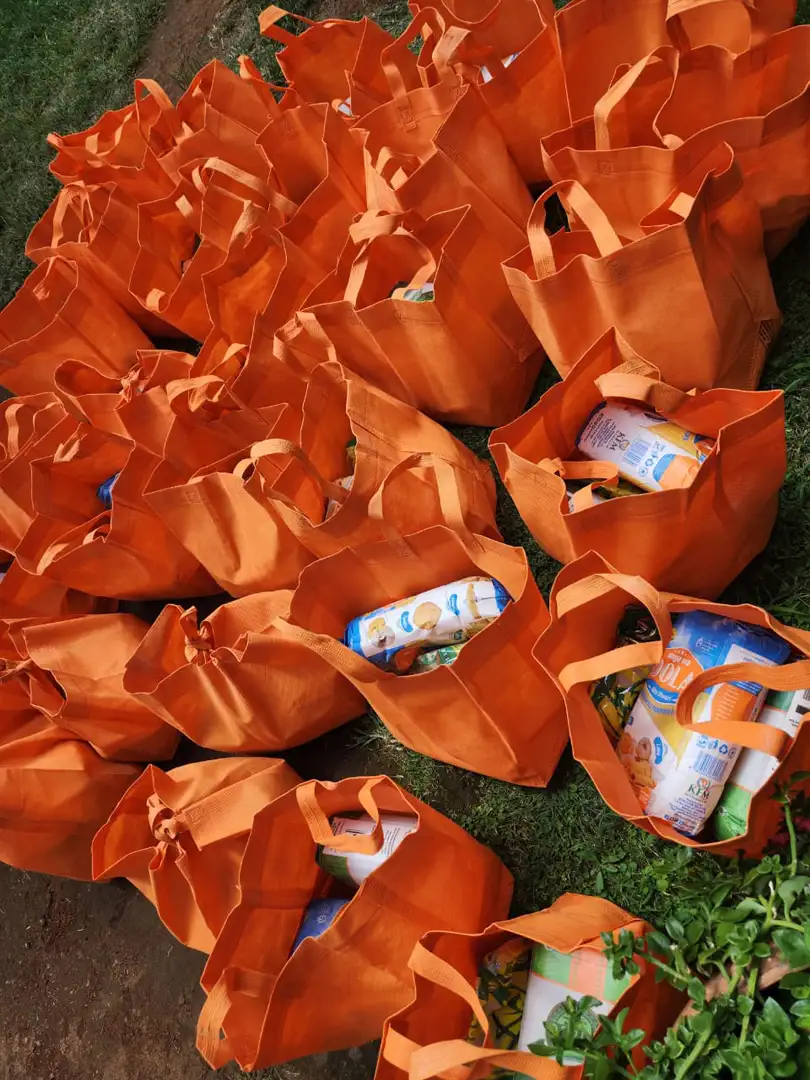
Maize flour, beans, cooking oil and sugar, carried home to the households that need it most.
02
Girls' health
02
Girls' health
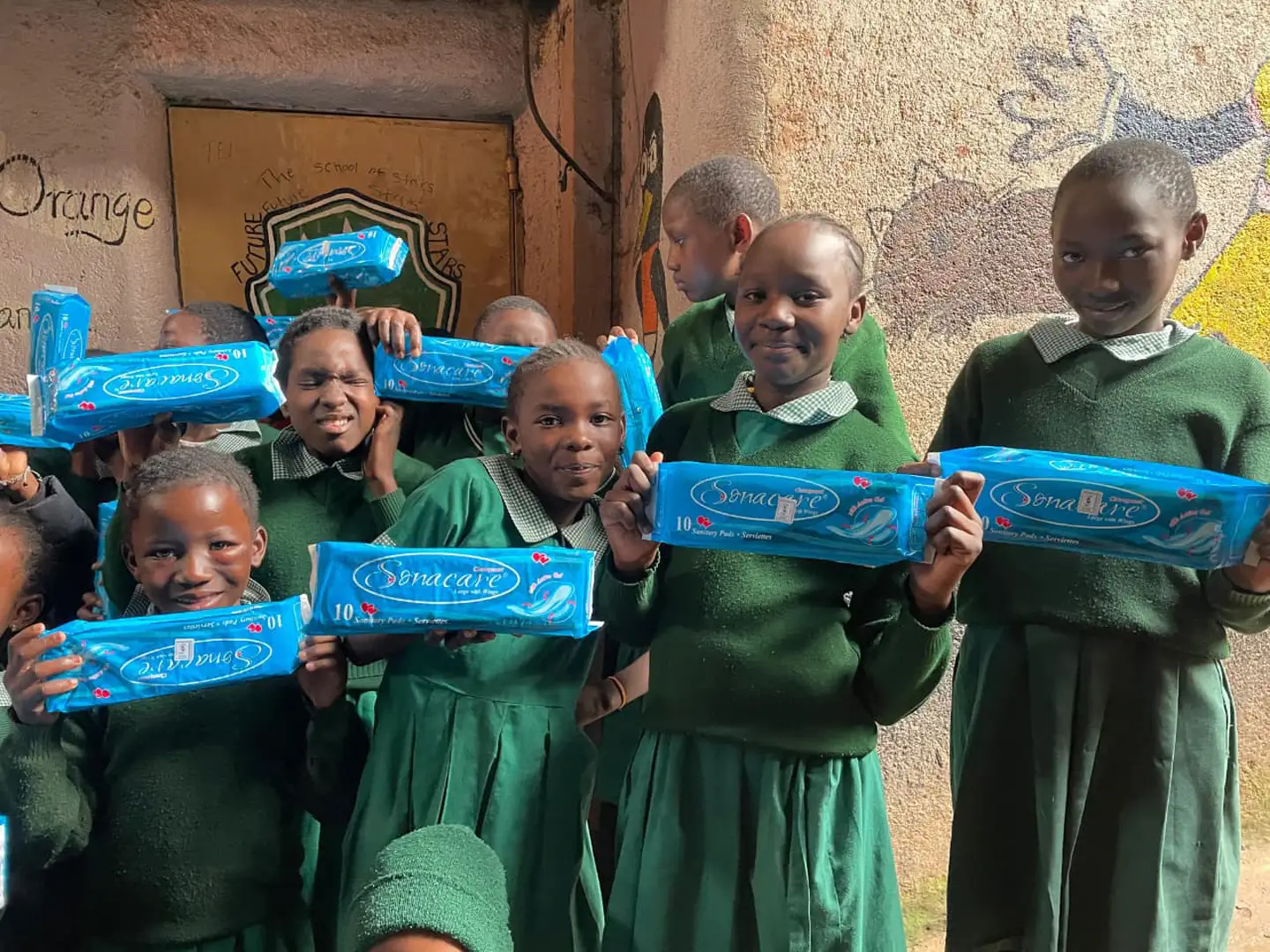
Open, respectful sessions for girls and young mothers, plus sanitary pads, so no girl misses school because of her period.

03
Holiday treats
03
Holiday treats
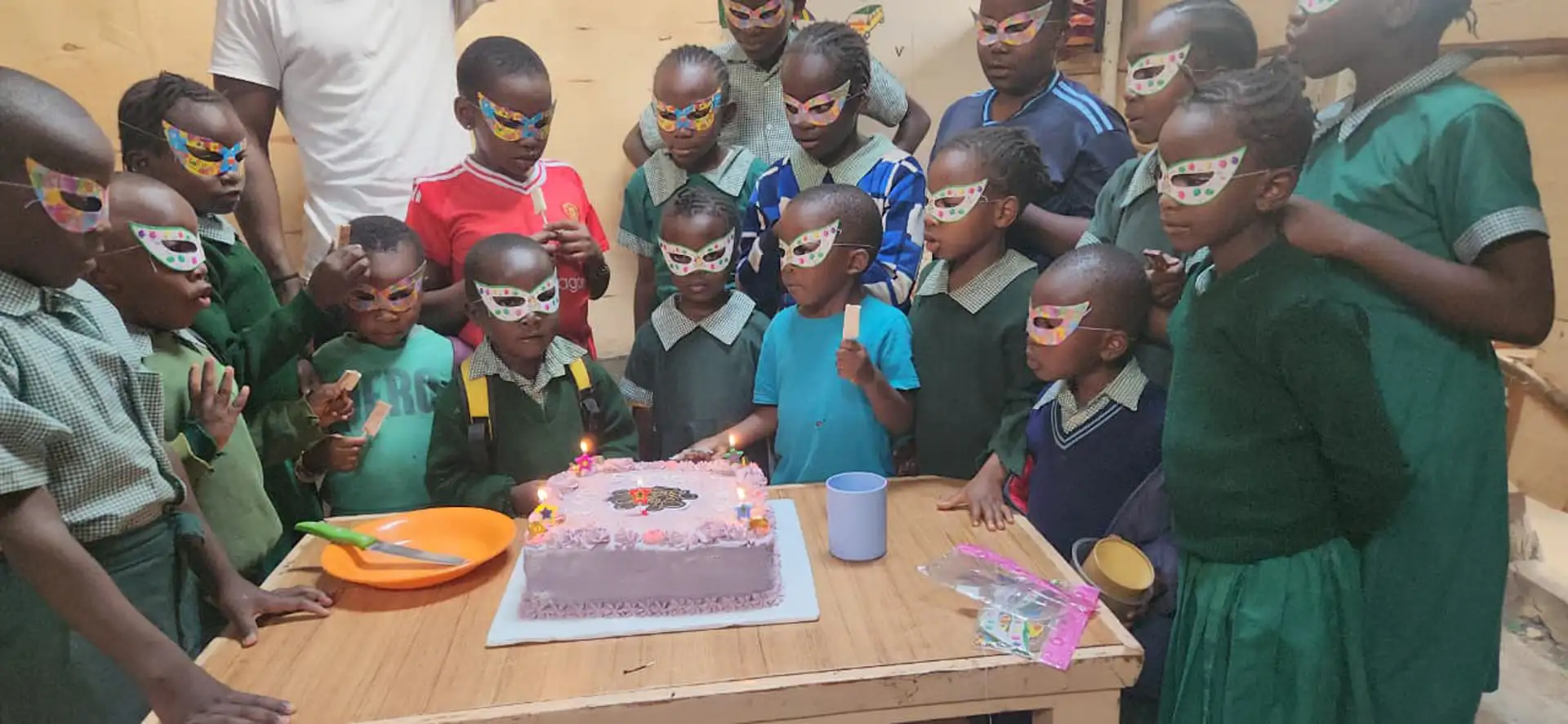
Once a year the children from our home get a holiday meal and a day at the swimming pool.
04
Local partners
04
Local partners
With Kibera Action Foundation and Ismael's Kibera Slum Tours: food security, education and mental health support.
from the school album
Moments from our year.
Every photo here was taken at Future Stars or at one of our projects. Hover to take a closer look.
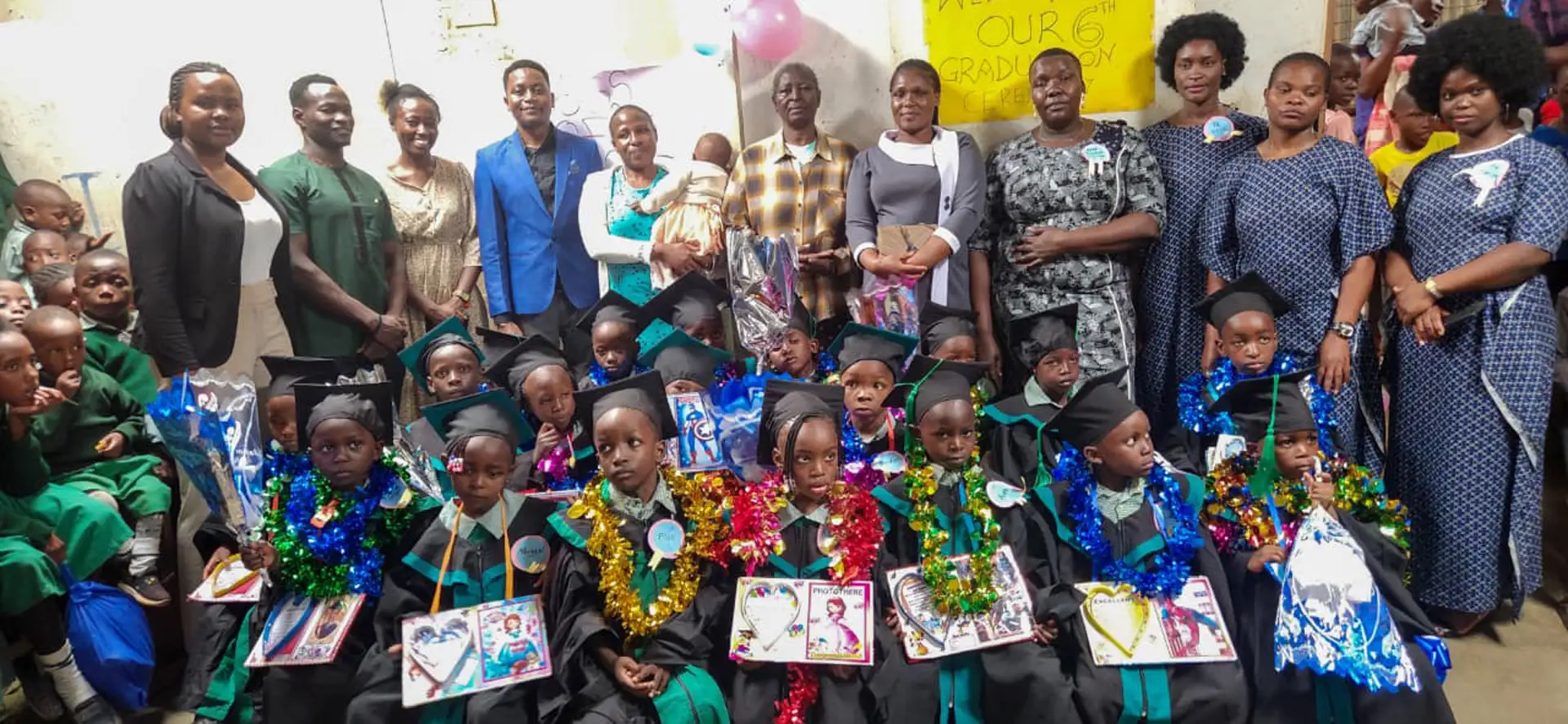
graduation, with our teachers
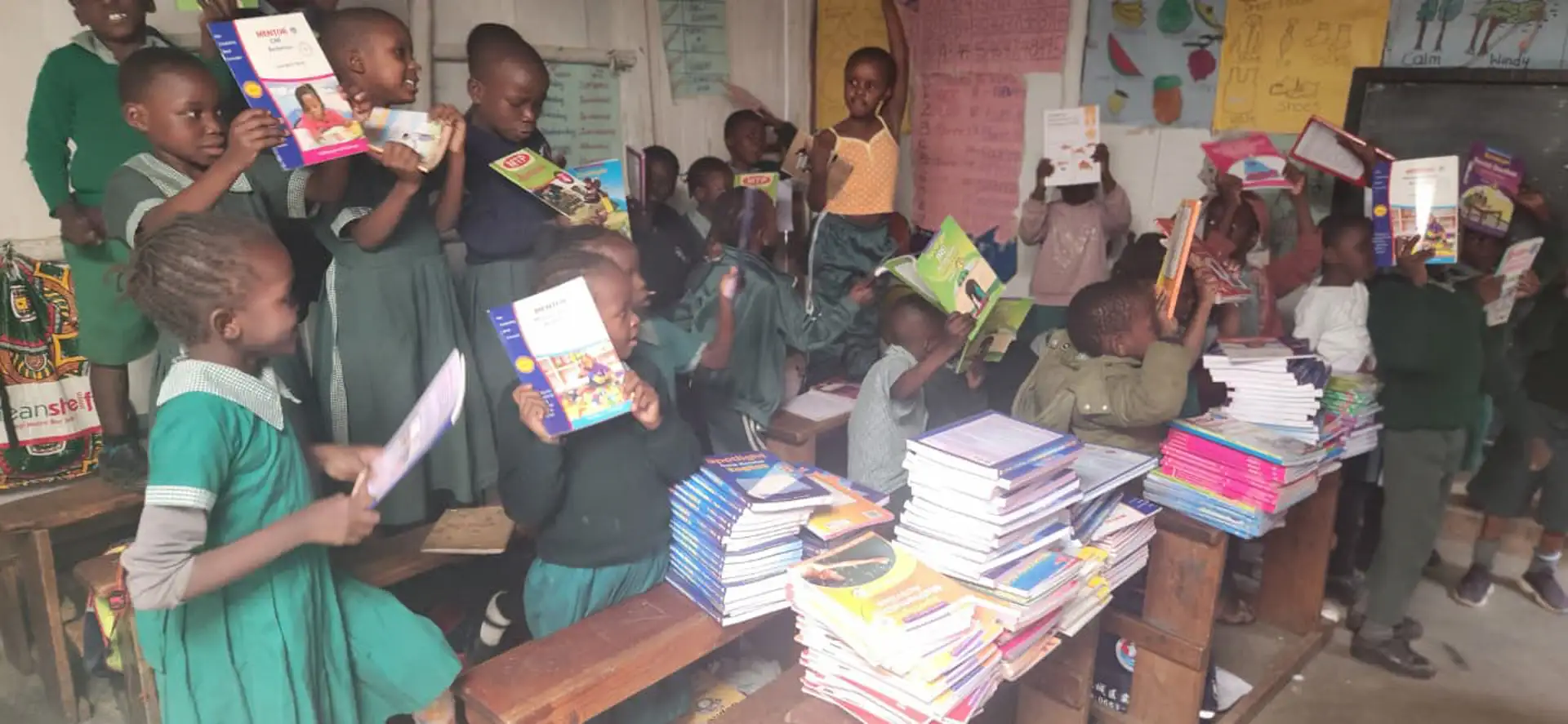
new books arrive
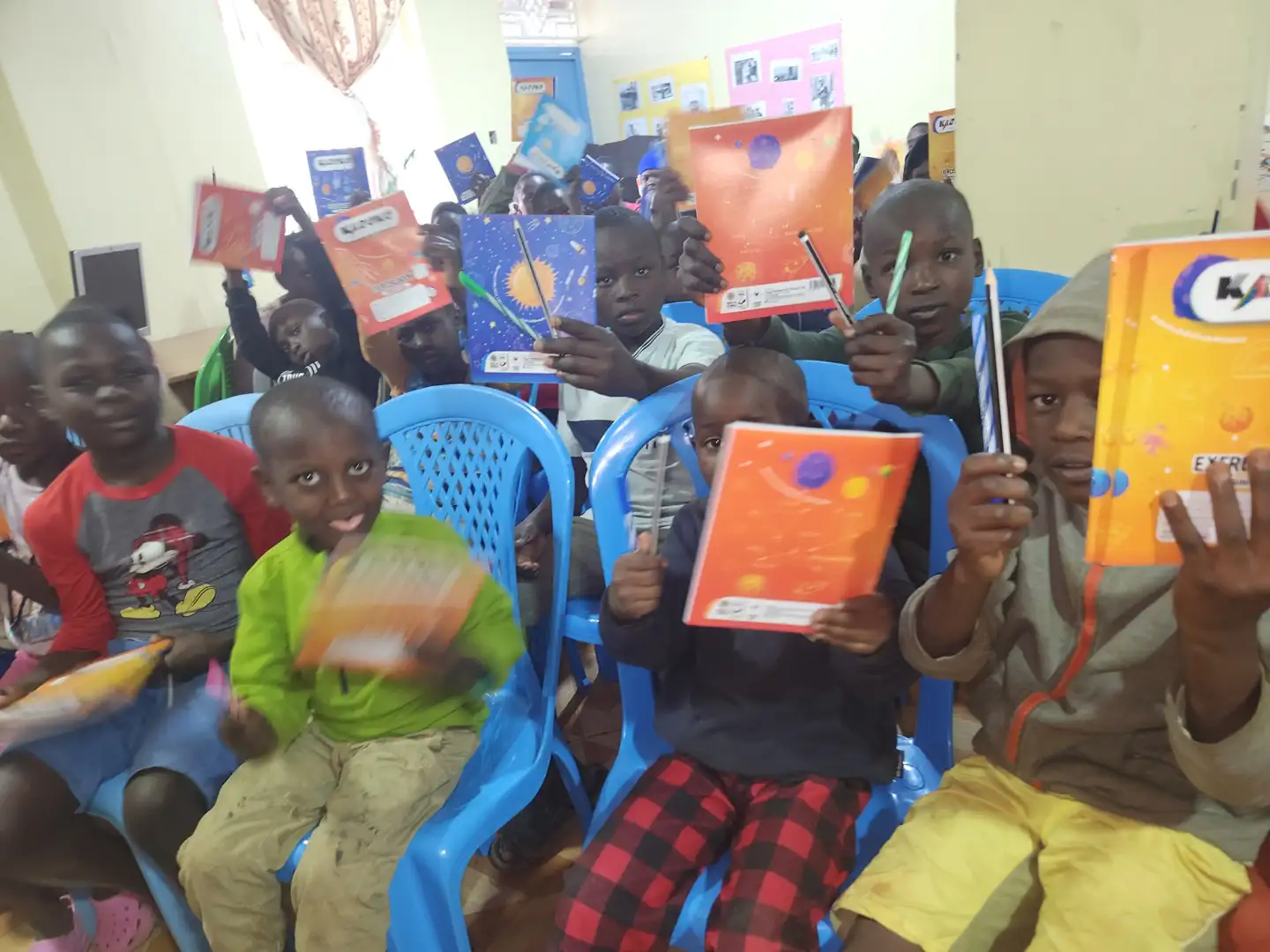
reading time
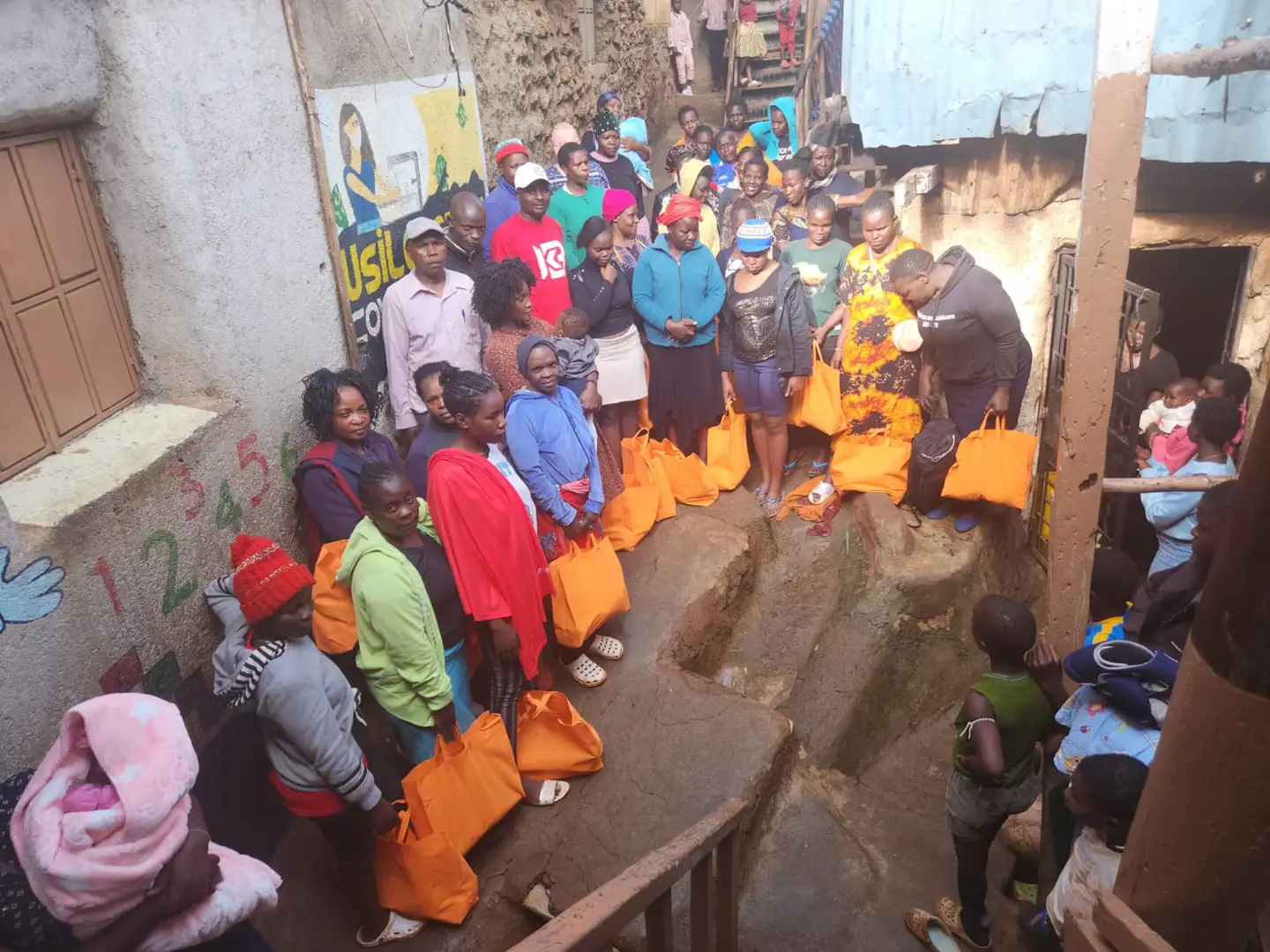
food drive day
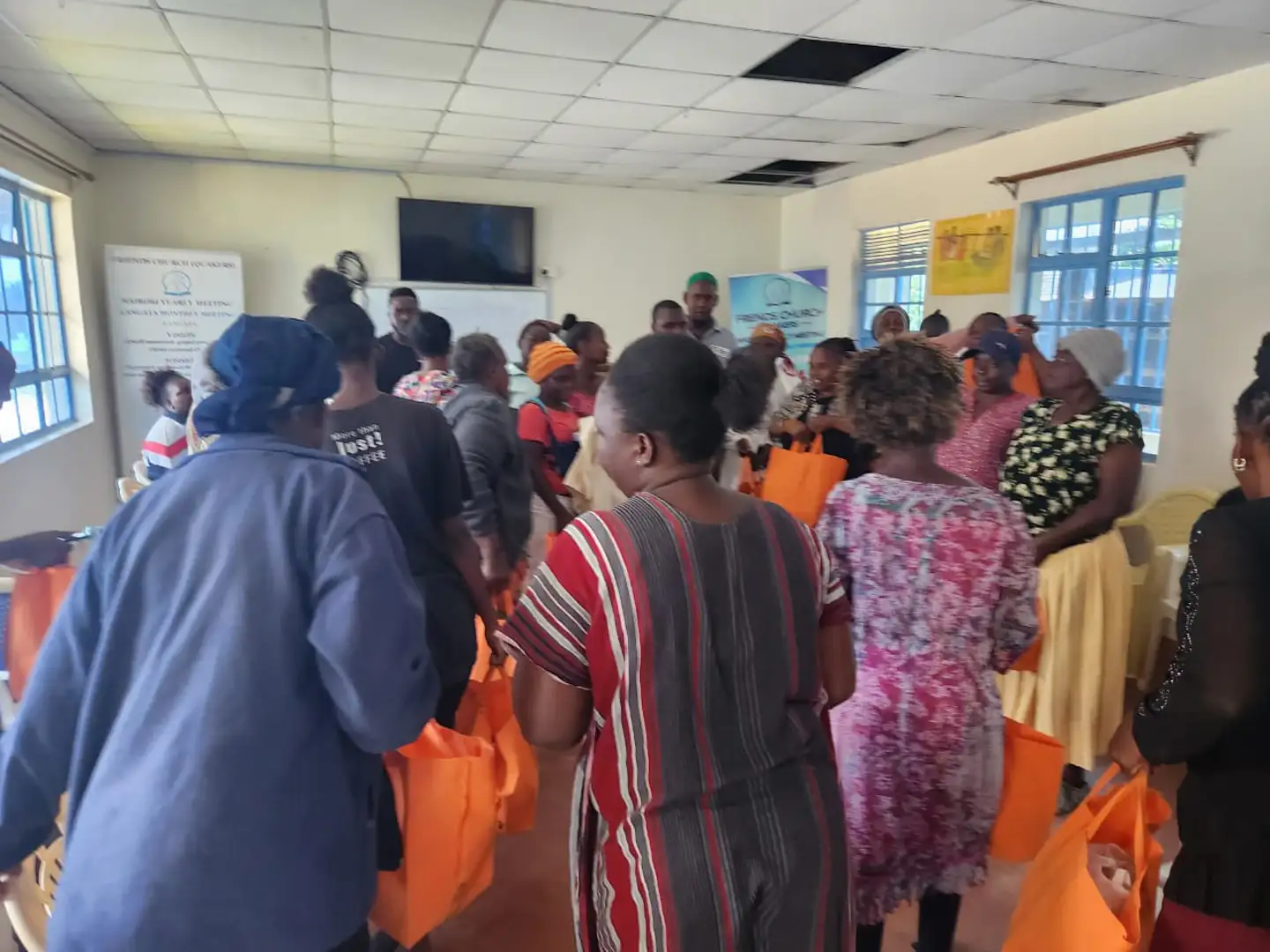
a community gathering
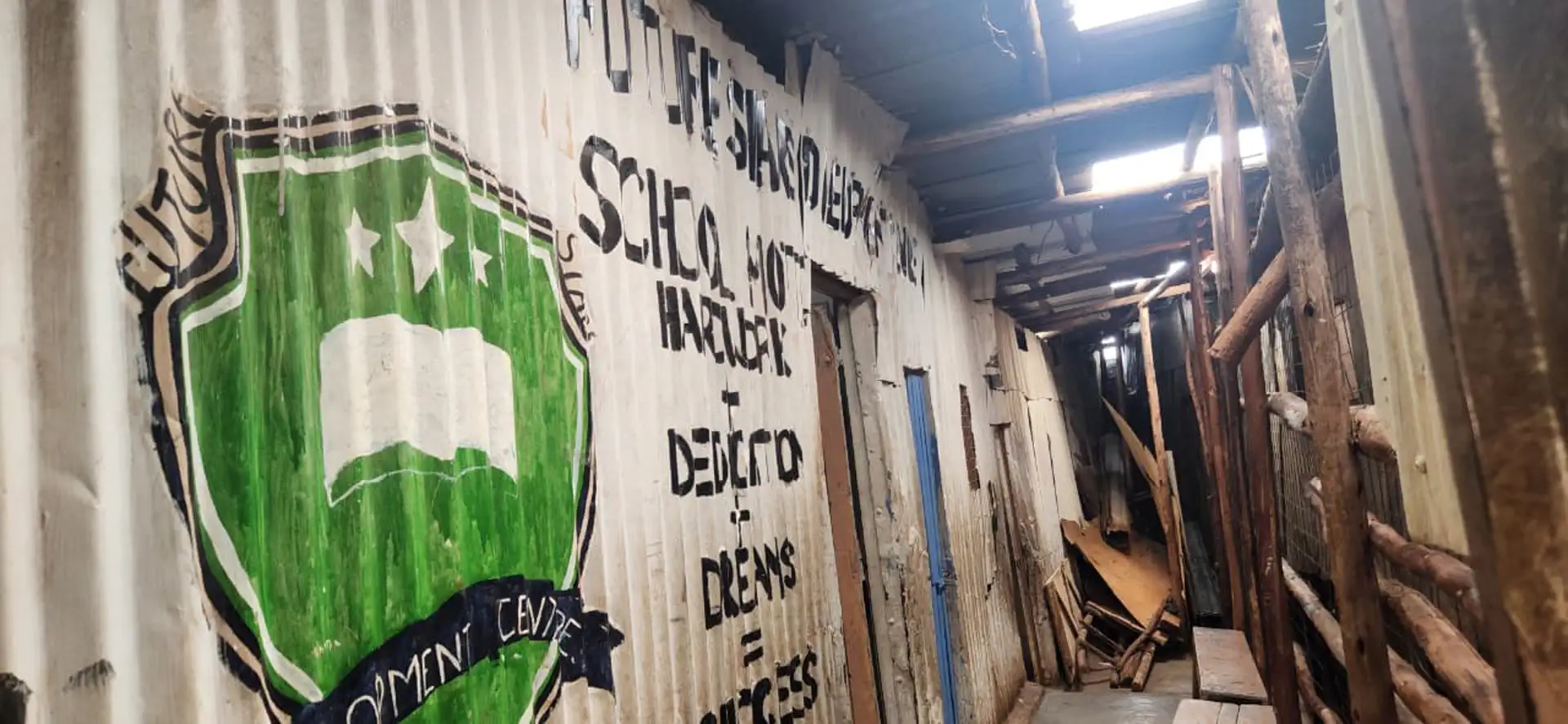
our motto, on the wall
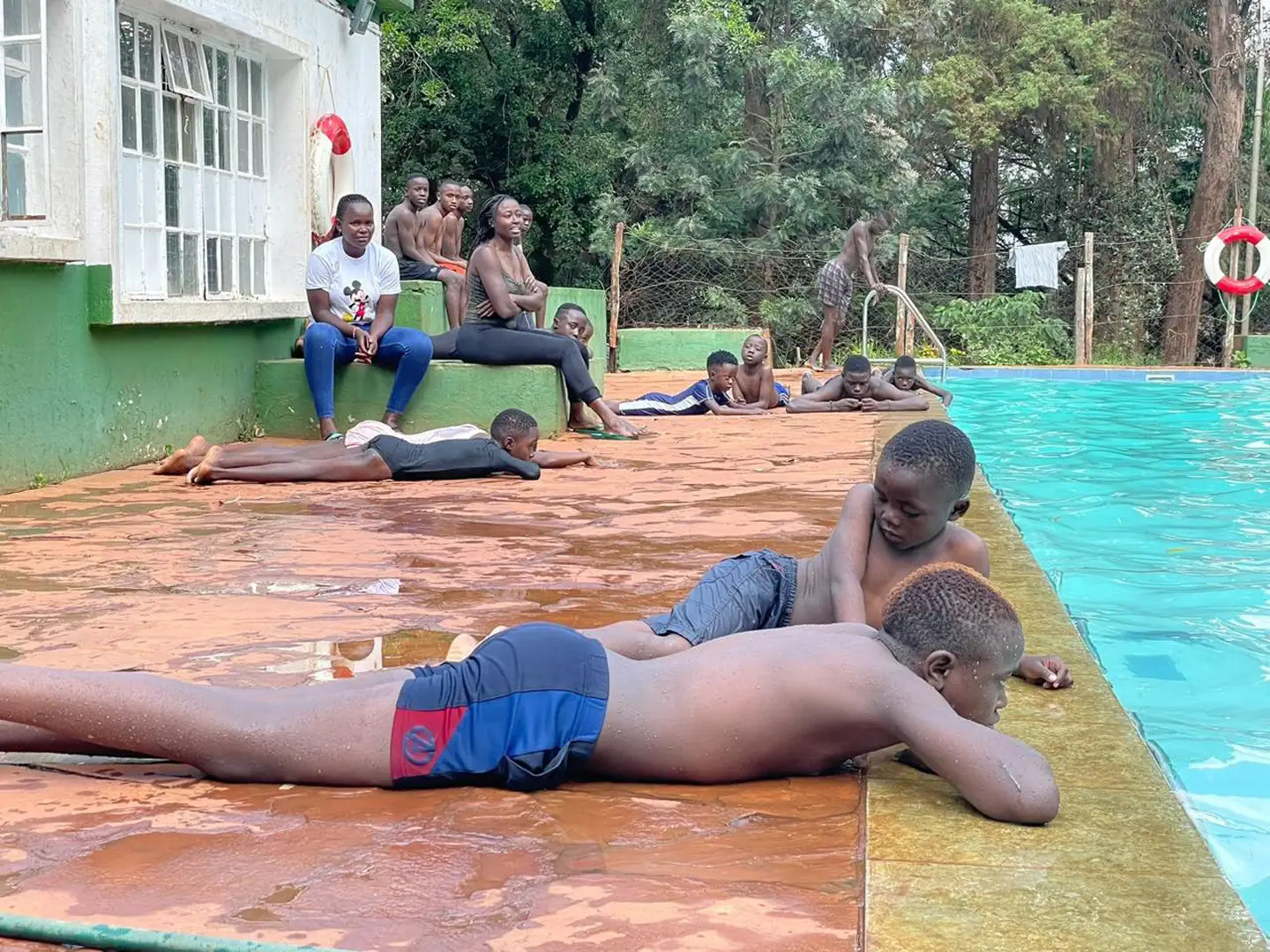
pool day
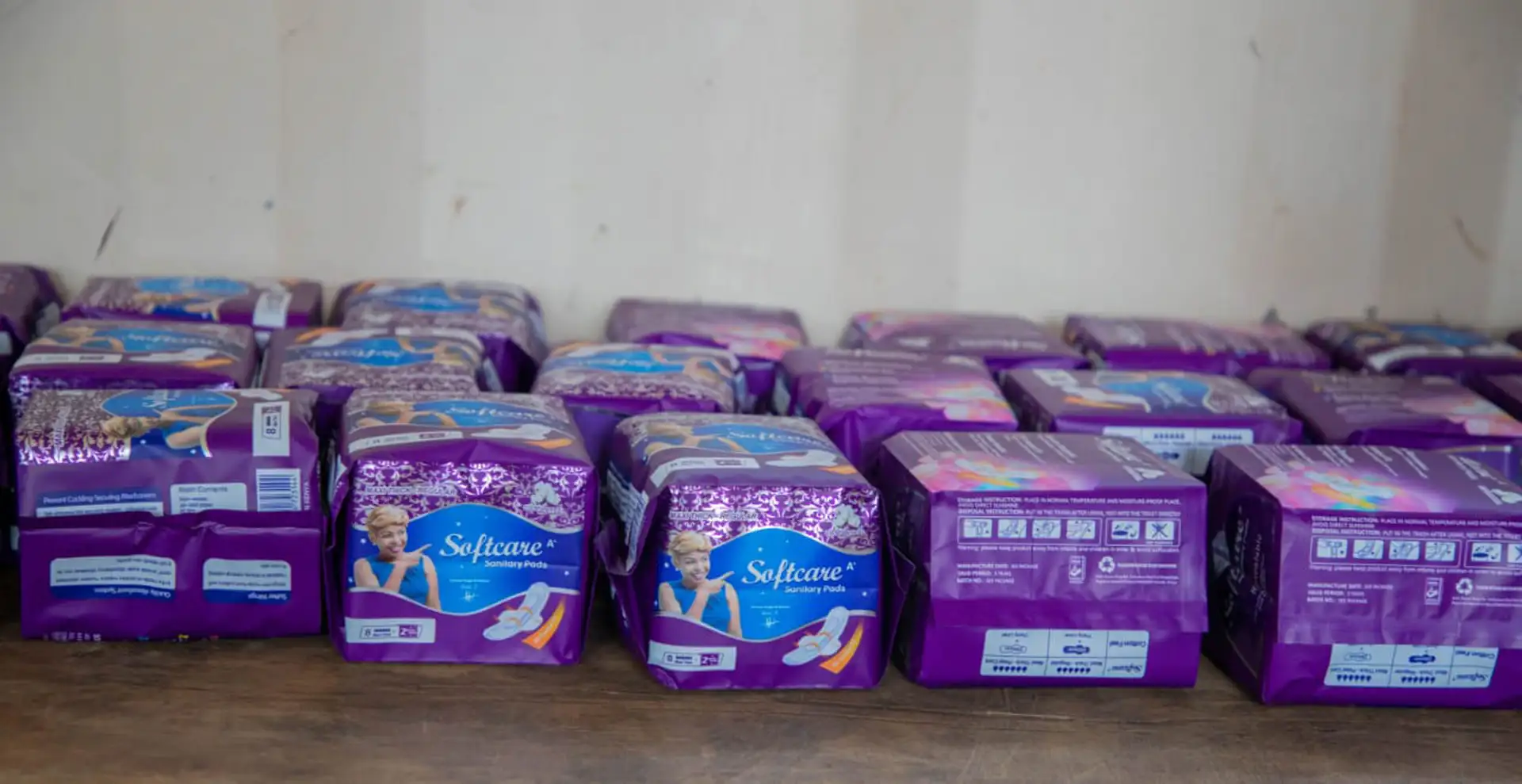
supplies for the girls' sessions
the people at the gate every morning
Fourteen people keep this school running.
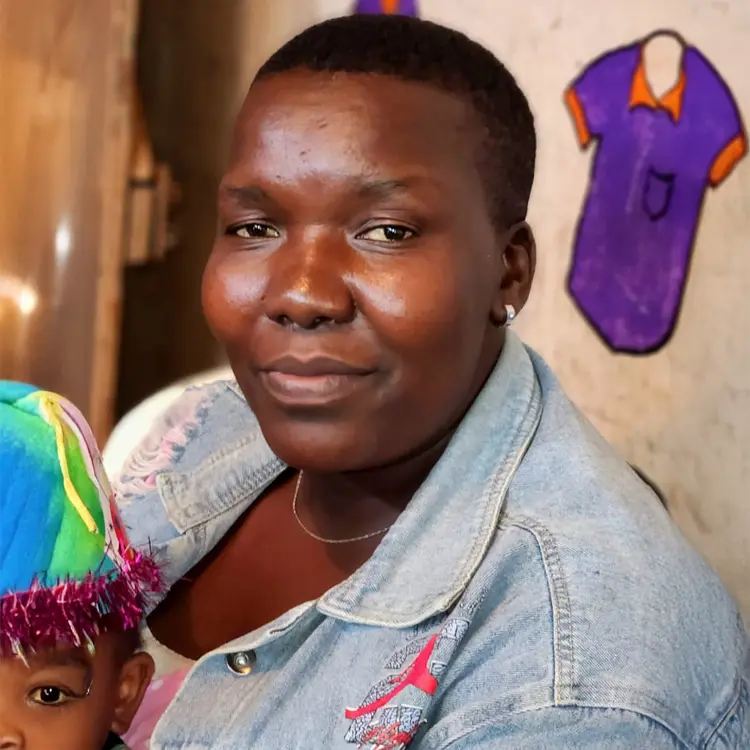
Lilian Ogola
Head Teacher
“Teaching is more than a profession — it’s a calling.”

Holly McCathy
Board Member
“This remarkable institution is truly saving and transforming lives.”

Ismael Mchuki
BOM Chair
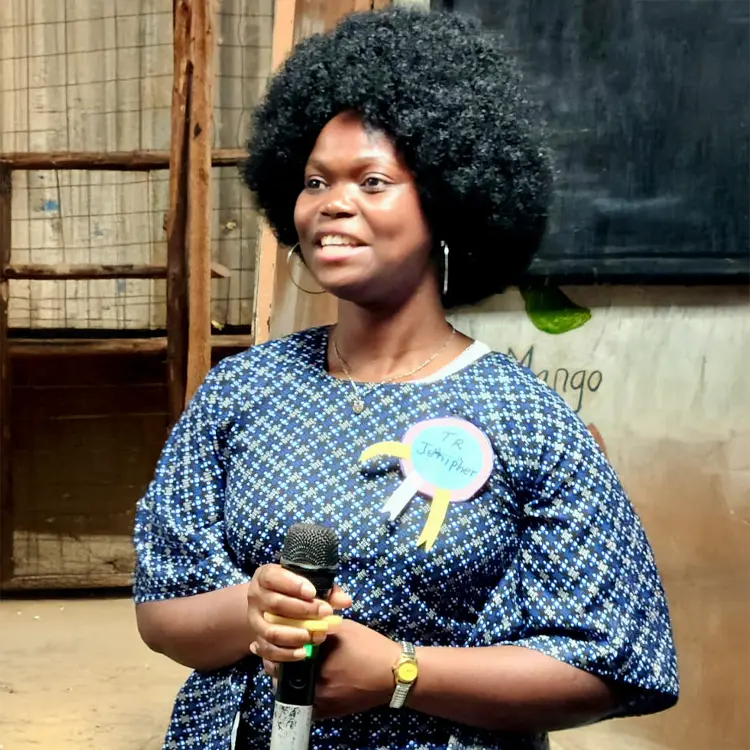
Jenifer Mourine
Pre-primary Teacher
“I hope to see my students grow into confident voices for change.”
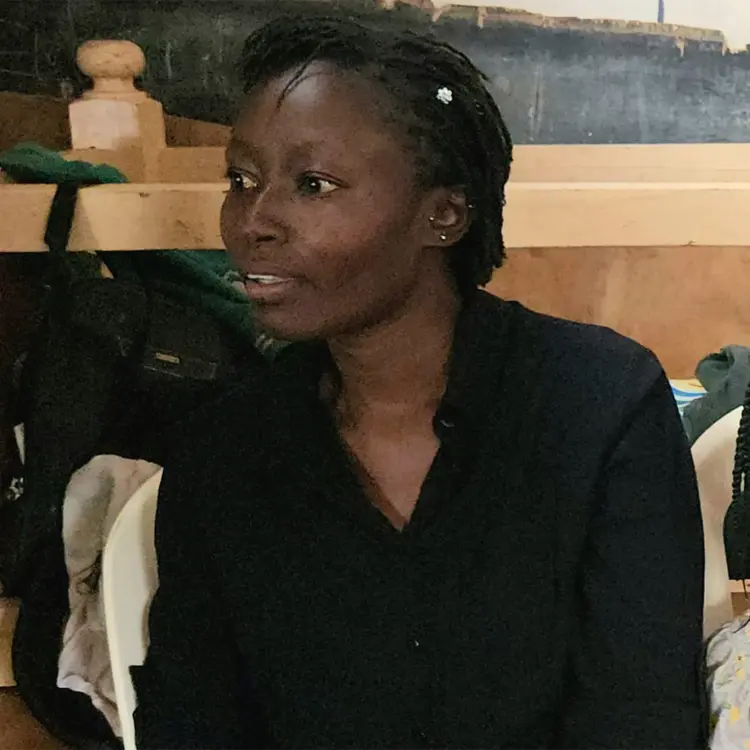
Maisy
Assistant Director
“Seeing the difference we’ve made in our children’s lives fills me with pride.”

Samuel Nabwela
Grade 6 Teacher
“Each day I’m motivated to guide my students toward brighter lives.”
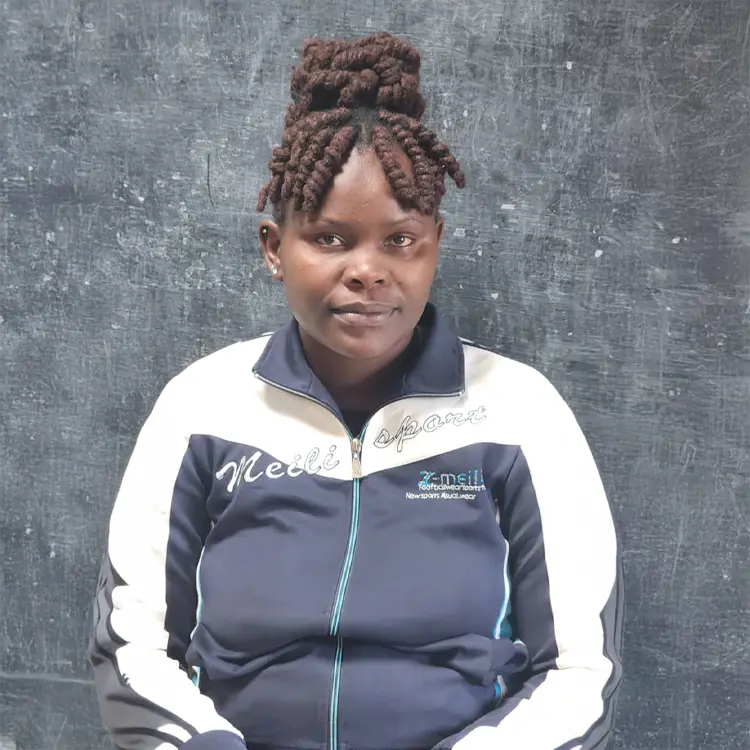
Claris Anyango
Head Chef & Matron
“It brings me immense joy to see them happy, healthy, and thriving.”
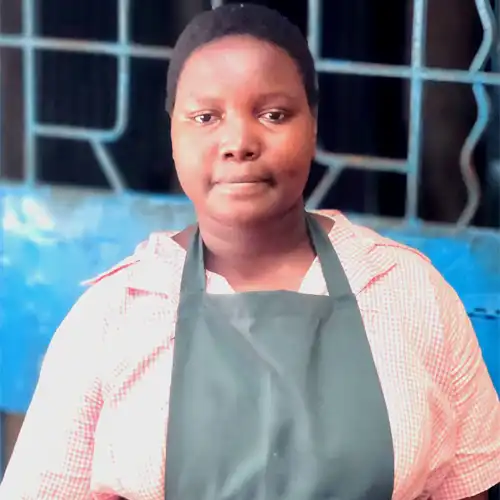
Laura Auma
Cook
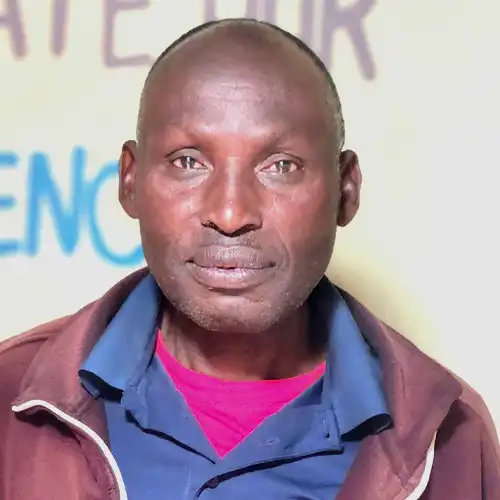
Joseek Muturi
Security

Lorraine Adhiambo
Teacher
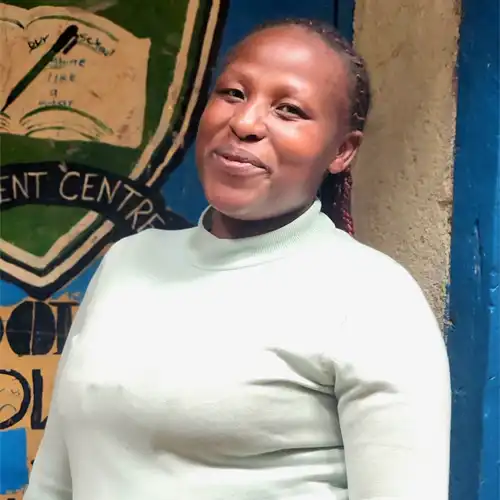
Faith Moraa
Teacher
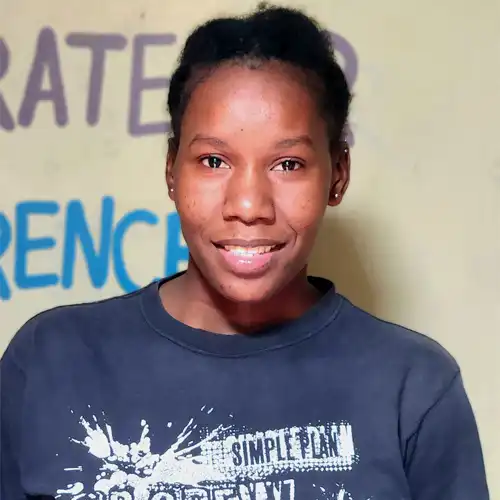
Skinny Awino
Cleaner
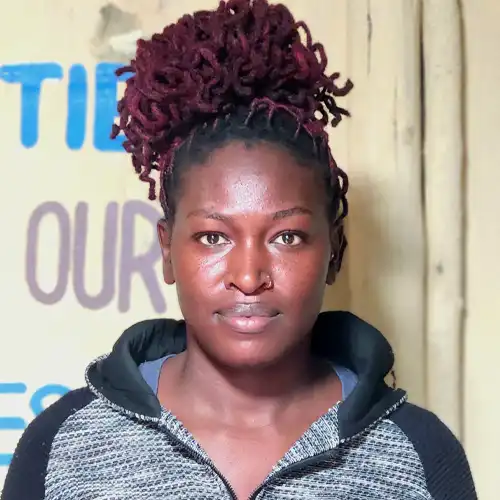
Enid Ouma
Administrator

Lucy Amuor
Teacher
make a difference
Choose what your gift does today.
Pick an amount and you'll see exactly what it pays for at the school.
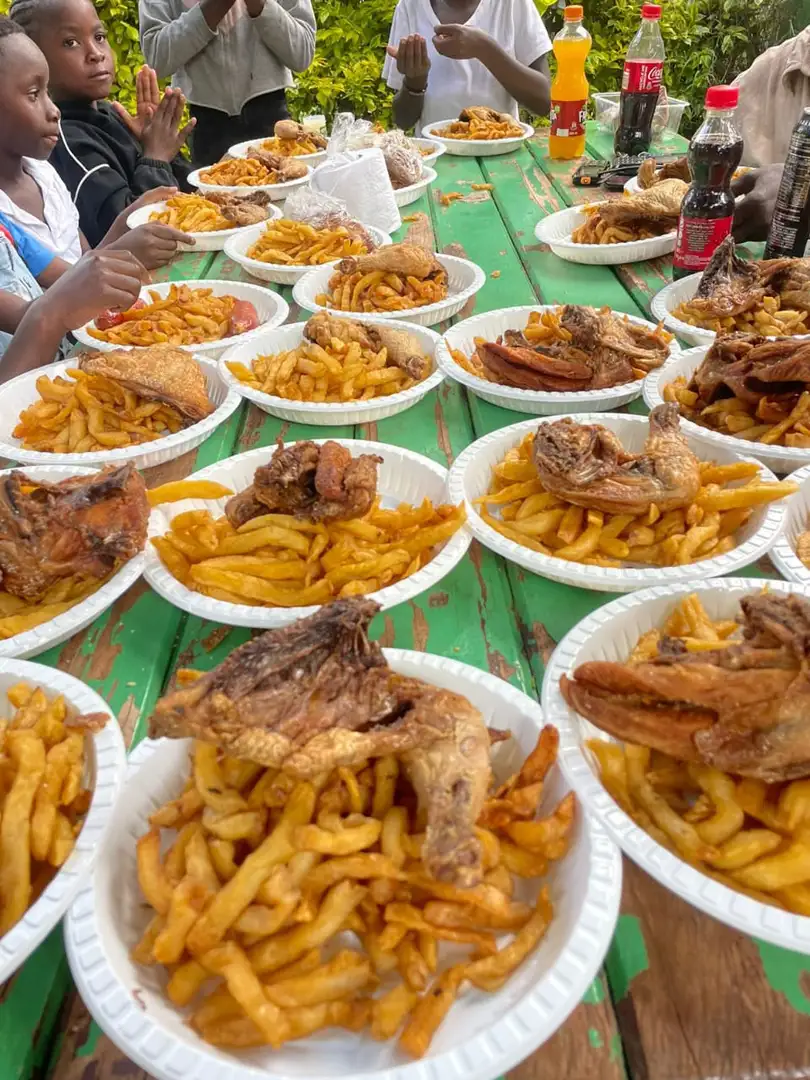
$5
Three meals for one child, for a whole day.
A full stomach is the difference between a child who can concentrate in class and one who can't.
Give $5 nowOpens our bank transfer details
Where it goes
Bank transfer to Future Stars Development Centre, Equity Bank, Kibera Branch.
Why bank transfer?
We're changing donation platforms. Until then, this is the most direct way to give.
Want confirmation?
Email kenyafuturestars@gmail.com and we'll let you know when your gift lands.
questions
Things donors ask us.
Something not covered here? Write to us. Our team reads every email.
Email the team
Who runs Future Stars?
Head Teacher Lilian Ogola and Assistant Director Maisy run the school day to day. Our Board of Management is chaired by Ismael Mchuki, with board member Holly McCathy among those advising on our growth.
How do I donate?
For now, by bank transfer to Future Stars Development Centre at Equity Bank, Kibera Branch. Tap any “Give” button to see the account details.
What does my money buy?
$5 covers three meals for one child for a day. $25 keeps a child in school for a term. Other gifts go to food parcels, sanitary pads, school supplies and the children's home.
Can my organisation partner with you?
Yes. We already work with Kibera Action Foundation and Ismael's Kibera Slum Tours. Email kenyafuturestars@gmail.com with what you have in mind.
How long have you been running?
Since 2008. Several staff have been here over a decade, including Lilian (nearly 13 years) and Maisy (since 2012).
Dedicating dreams for success.