Kenya’s short rains run from October to December and usually peak in November. This year forecasters expect them to be heavier than usual. A regional forecast from the Intergovernmental Authority on Development put the chance of a very strong El Niño at 81% for October to December (BBC News, via The Star). With the heaviest weeks still to come, Nairobi and the communities along its rivers are getting ready.
What it means for families in Kibera
The Ngong River runs through Kibera, and as the settlement has grown, some homes now sit on the riverbank slopes, only metres from the water. BBC reporters met residents who saw floodwater reach halfway up their iron walls during the long rains earlier this year. Informal settlements such as Kibera and Mathare tend to flood more than other parts of the city, partly because Nairobi’s drainage was built decades ago for a much smaller population (BBC News).
Much of the work is happening on the ground. Crews have been clearing rubbish from the Kibera riverbed, and drains are being cleared across the city. Nairobi’s disaster management chief, Bramwell Simiyu, told the BBC that clearing rubbish from drains will save lives. County officials have advised households living right on the riverbank to move to higher ground for the rainy season, and 167 holding sites with relief food and supplies have been identified for anyone who needs to leave (BBC News).
Nairobi County has also set out a six-point plan: desilting the Nairobi, Ngong and Mathare rivers, keeping drains clear, community education through local borough teams, a joint emergency operations centre, and training for responders, including a simulation exercise at Uhuru Park (Capital FM). Across Nairobi, residents and young people have been clearing drains and riverbeds themselves ahead of the rain (Associated Press).
What it means at Future Stars
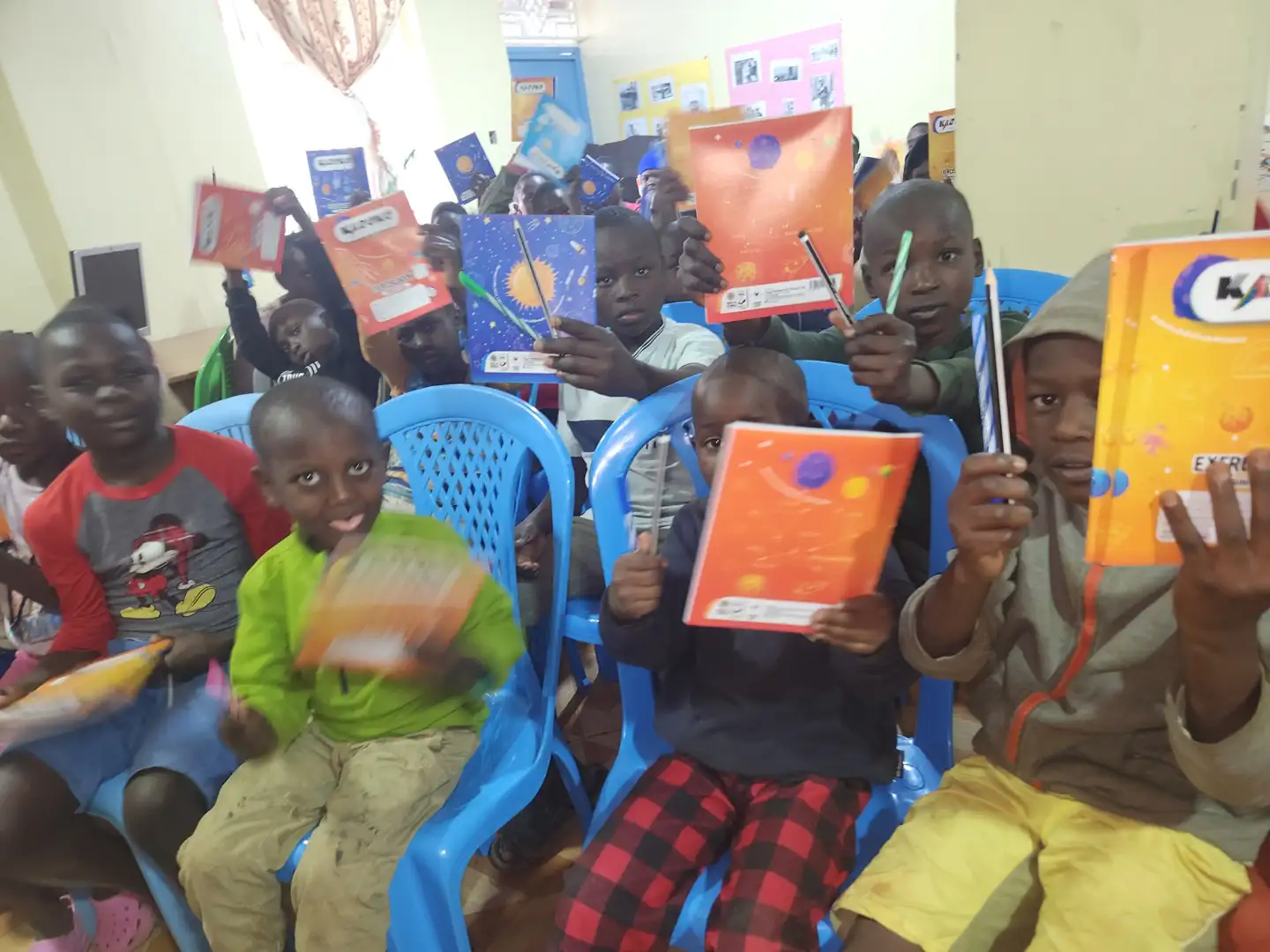
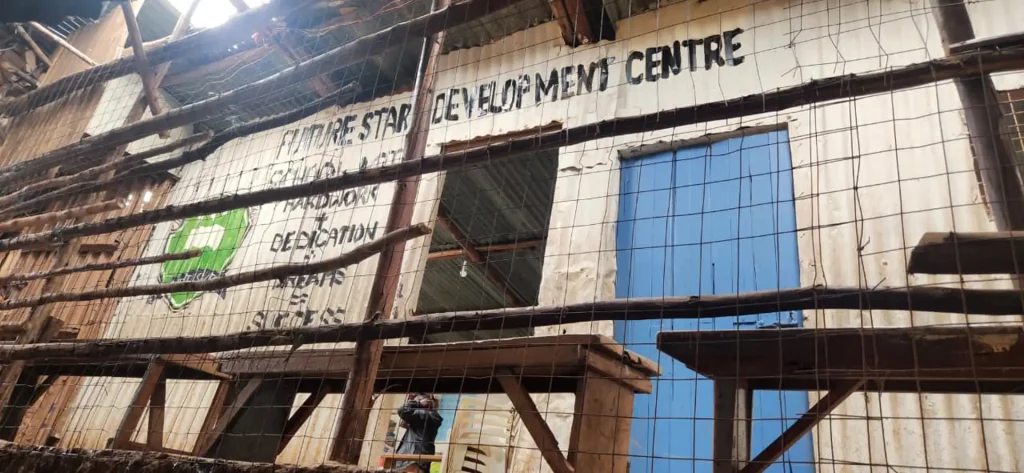
Kibera is home to the families we serve, so a heavy rainy season reaches our classrooms too. When paths turn to mud and homes take in water, a dependable school day matters more than ever: a dry classroom, a cooked meal, and teachers who notice when a child is struggling. Our kitchen cooks for every child on every school day, and our children’s home gives a safe place to children who have nowhere safe to go.
There is also real resilience in these reports. Neighbours are clearing drains together, and young people are cleaning the rivers. Kibera has prepared for hard seasons before, and it is doing so again.
Sources
- Kenyans fear impact of El Niño with floods predicted, BBC News, republished by The Star, 11 November 2026
- Kenyans brace for heavy El Niño rains, Associated Press, 12 November 2026
- Six-point plan to tackle El Niño rains as Nairobi steps up preparedness, Capital FM, 8 October 2026
You can help. $5 gives a child at Future Stars three meals for a day, and $25 keeps a child in school for a term, through the rainy season and beyond. Give to Future Stars today.